
Editorial pick · 30 venues
Worth Knowing
in Tokyo
We just got here. From the institutions locals swear by to the tables everyone is trying to book, these are places worth knowing in Tokyo.
Includes: Butagumi, Crony and Den
Updated 23 October 2026
- Guide stop 1Butagumi
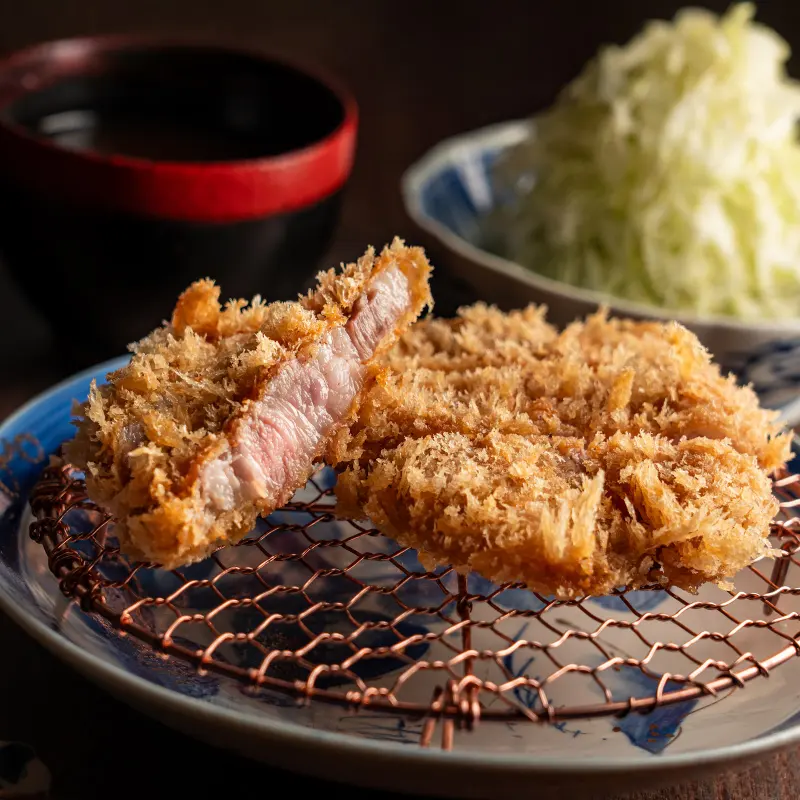
Butagumi
Pork gets the treatment a wine list gives grapes at Butagumi.
$$Azabu & RoppongiJapaneseNew to voting, be the first
- Guide stop 2Crony
Crony
Glass walled and facing a park in Higashiazabu, Crony starts its menu with tea, a nod to a name that means friends who drink tea together.
$$$$Azabu & RoppongiFine DiningNew to voting, be the first
- Guide stop 3Den
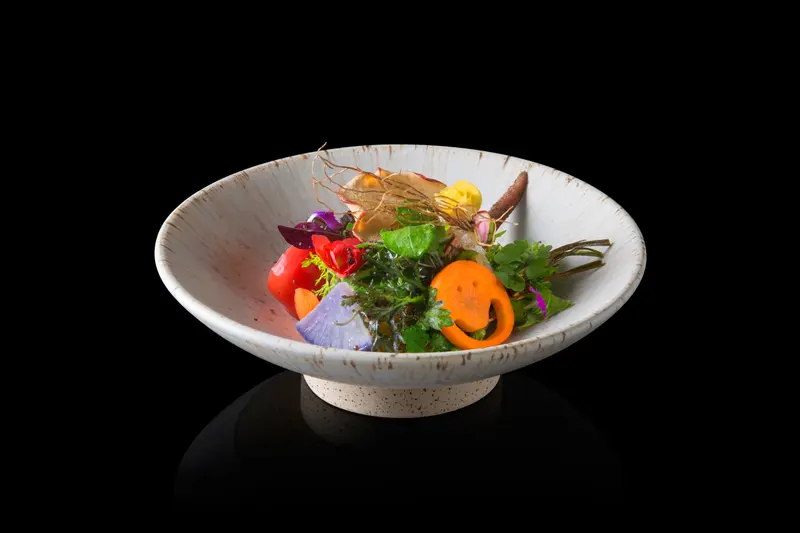
Den
Zaiyu Hasegawa runs Den in Jingumae like a house party that happens to hold two Michelin stars.
$$$$Aoyama & ShibuyaJapaneseNew to voting, be the first
- Guide stop 4Florilège
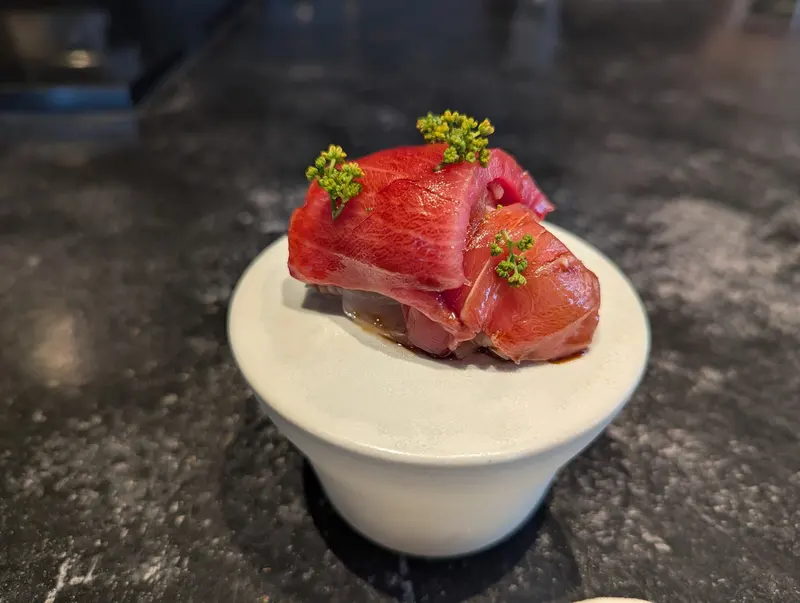
Florilège
Hiroyasu Kawate moved Florilège to Azabudai Hills, and the new room is built around a single long table facing the open kitchen, served table d'hôte style.
$$$$Azabu & RoppongiFine DiningNew to voting, be the first
- Guide stop 5Ginza Hachigou
Ginza Hachigou
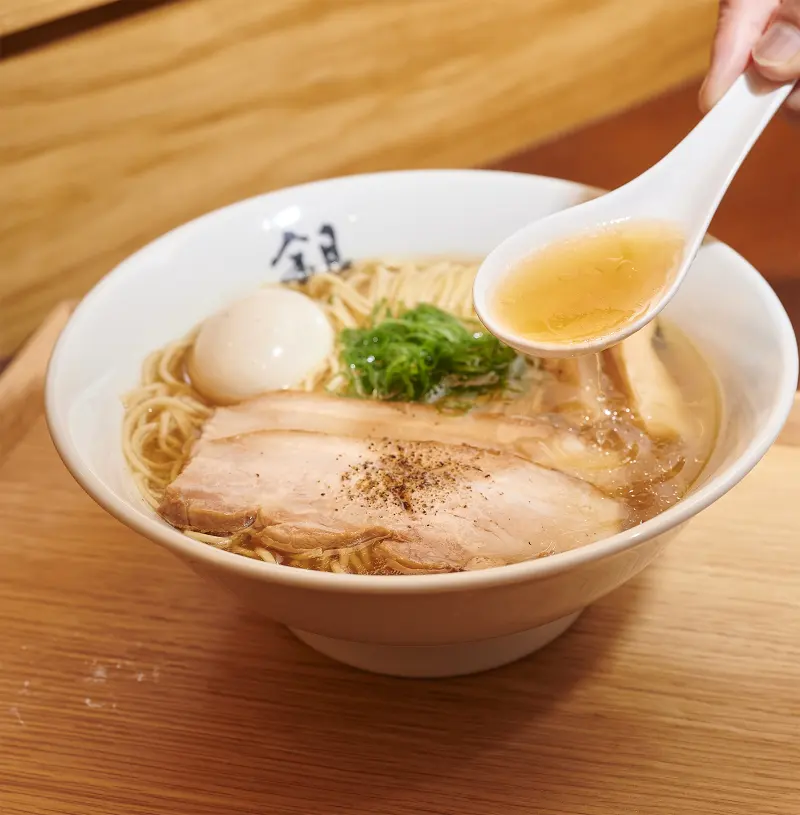
Yasushi Matsumura brought a French kitchen background to ramen at Ginza Hachigou, where the soup is drawn like a consommé from Nagoya Cochin, duck, scallop, shiitake, kelp and ham, then seasoned with salt rather than tare.
$$GinzaJapaneseNew to voting, be the first
- Guide stop 6Kagurazaka Ishikawa
Kagurazaka Ishikawa
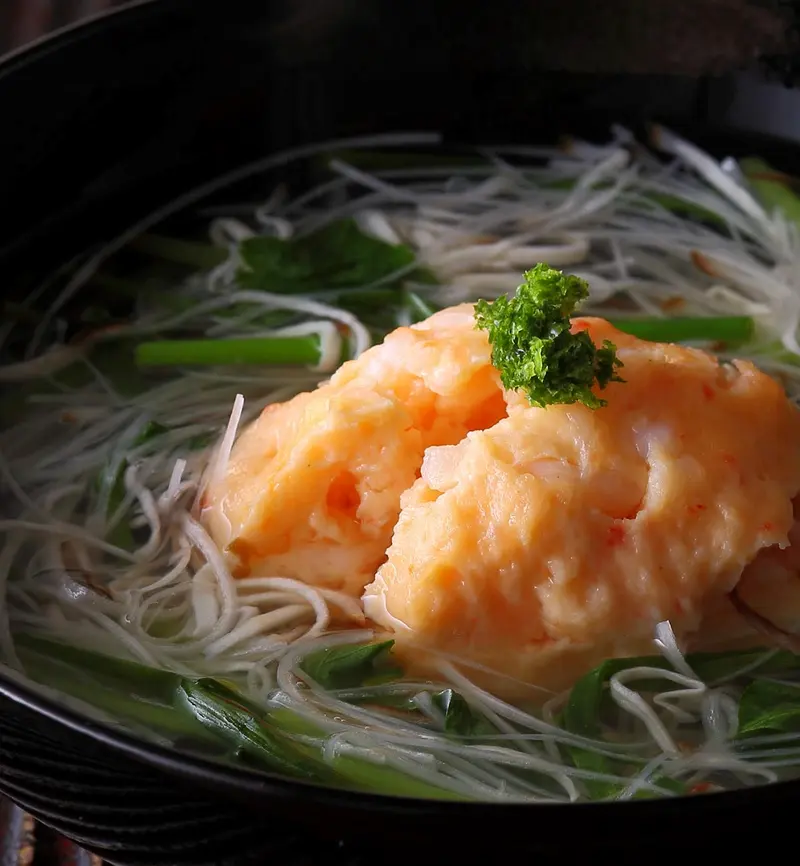
Hideki Ishikawa follows a principle he calls mui shizen, letting things take their natural course, at his three Michelin star room in Kagurazaka.
$$$$ShinjukuFine DiningNew to voting, be the first
- Guide stop 7L’Effervescence
L’Effervescence
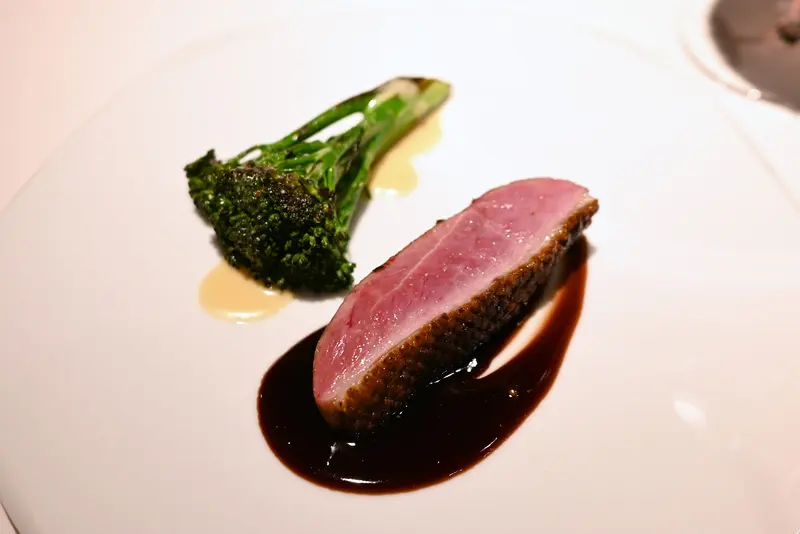
Shinobu Namae welcomes guests in the spirit of ichiza konryu, the tea ceremony ideal of host and guest sharing one gathering.
$$$$Azabu & RoppongiFine DiningNew to voting, be the first
- Guide stop 8MAZ
MAZ
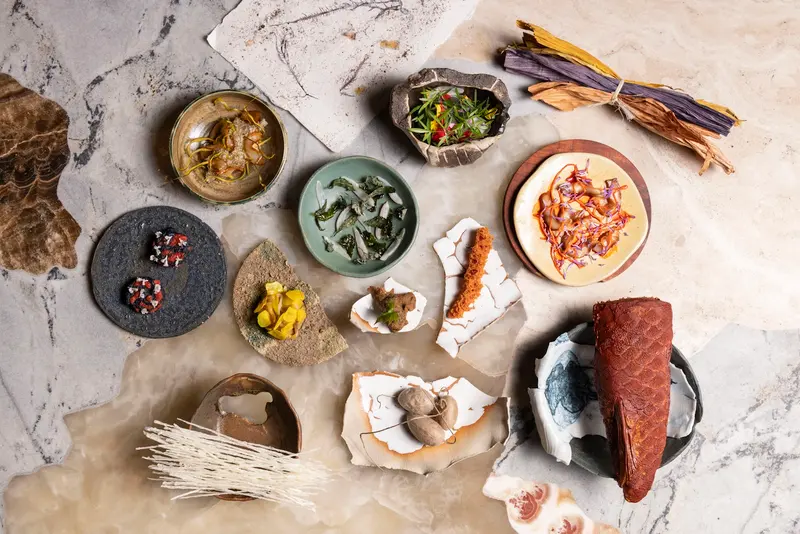
At MAZ the menu reads like an altitude chart, with each dish listed by the elevation its ingredients come from, from the Amazon basin to the high Andes.
$$$$KioichoFine DiningNew to voting, be the first
- Guide stop 9Myoujyaku
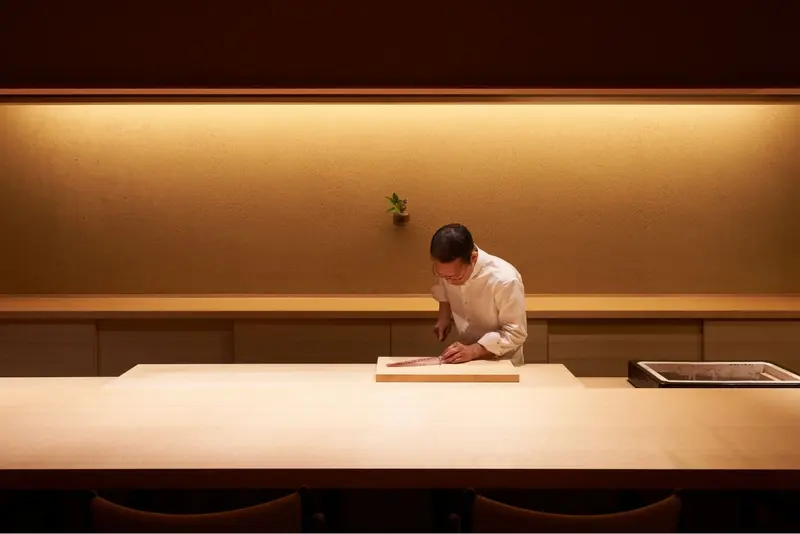
Myoujyaku
Water and sea salt do most of the work at Myoujyaku, where Hidetoshi Nakamura keeps seasoning to a minimum so each ingredient leads.
$$$$Azabu & RoppongiJapaneseNew to voting, be the first
- Guide stop 10Narisawa
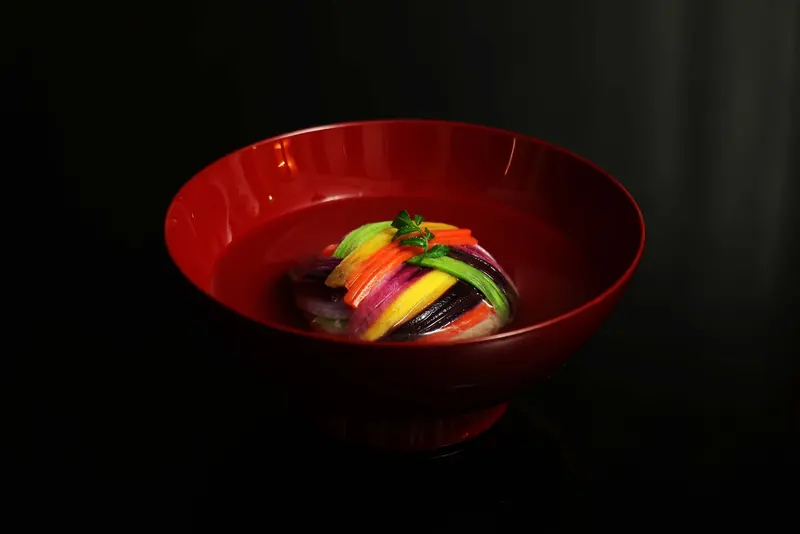
Narisawa
Yoshihiro Narisawa calls his cooking satoyama cuisine, after the farmed hills and woodland where rural Japan meets the wild, and builds every menu around that landscape.
$$$$Aoyama & ShibuyaFine DiningNew to voting, be the first
- Guide stop 11Nihonryori RyuGin
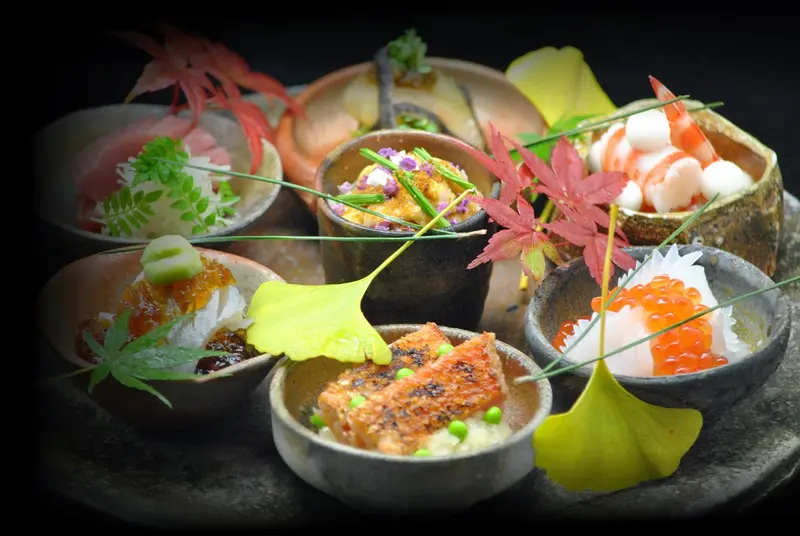
Nihonryori RyuGin
Seiji Yamamoto named RyuGin after a Zen saying about clouds gathering when the dragon sings, and his kitchen on the seventh floor of Tokyo Midtown Hibiya holds three Michelin stars.
$$$$HibiyaFine DiningNew to voting, be the first
- Guide stop 12Nodaiwa Azabu Iikura Honten
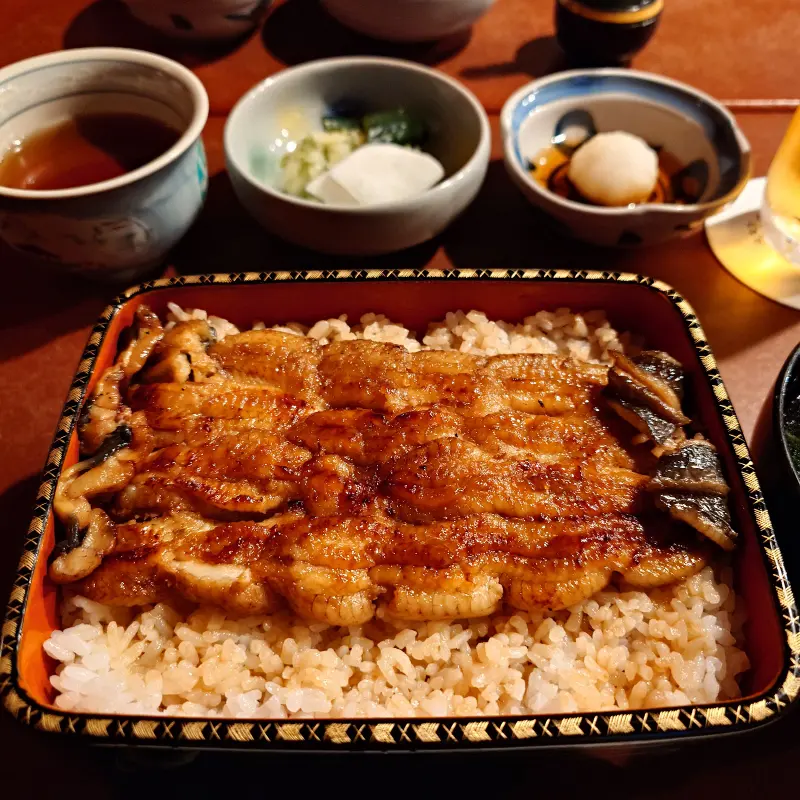
Nodaiwa Azabu Iikura Honten
Nodaiwa has been in the eel business since the Edo shogunate, and fifth generation proprietor Kanejiro Kanemoto still steams the eel to drain its fat before grilling it plain as shirayaki or glazed in sauce as kabayaki.
Azabu & RoppongiJapaneseNew to voting, be the first
- Guide stop 13Quintessence
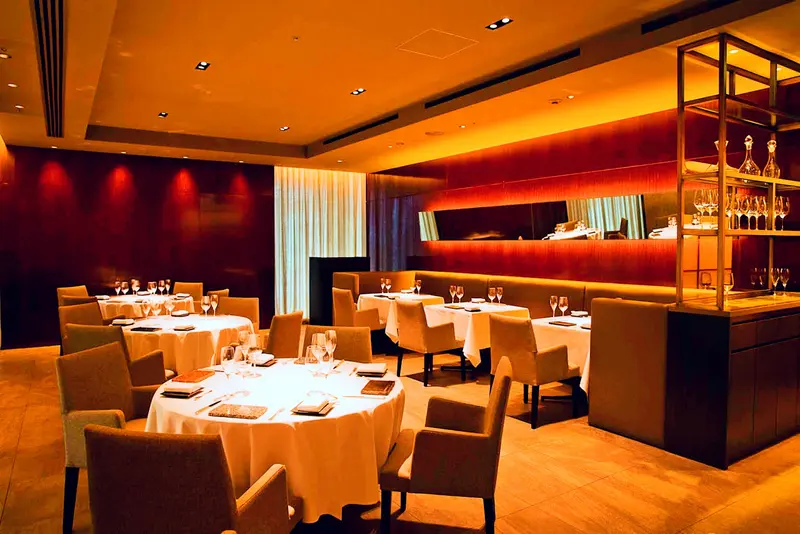
Quintessence
Shuzo Kishida built Quintessence on three pillars: the ingredient, the flame and the seasoning.
$$$$Meguro & ShinagawaFine DiningNew to voting, be the first
- Guide stop 14Rokurinsha Tokyo Ramen Street
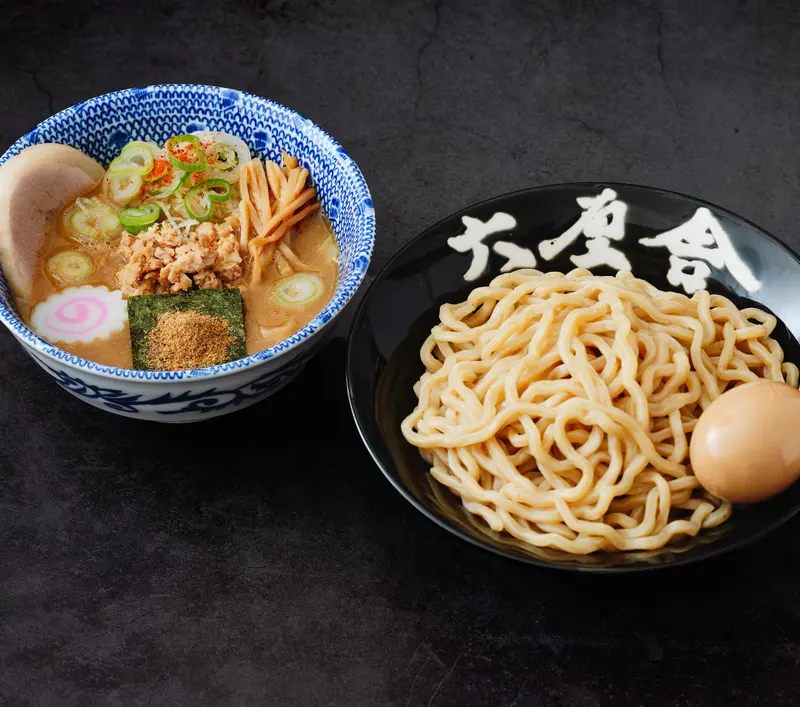
Rokurinsha Tokyo Ramen Street
Rokurinsha holds court on Tokyo Ramen Street beneath Tokyo Station, serving tsukemen with thick, chewy noodles and a dense pork and seafood dipping broth finished with dried fish powder.
$$MarunouchiJapaneseNew to voting, be the first
- Guide stop 15Saito
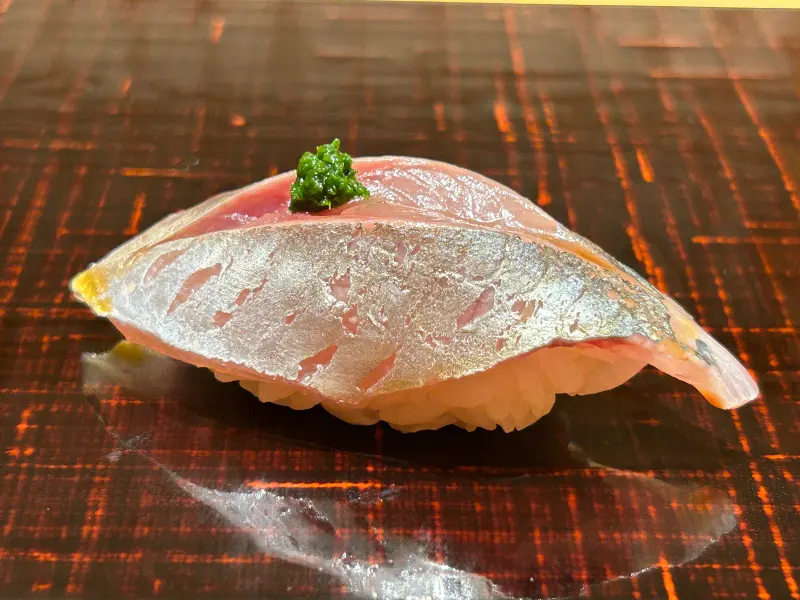
Saito
Takashi Saito works a pale hinoki counter on the ground floor of Ark Hills South Tower in Roppongi, with room for only about ten.
$$$$Azabu & RoppongiJapaneseNew to voting, be the first
- Guide stop 16Sazenka
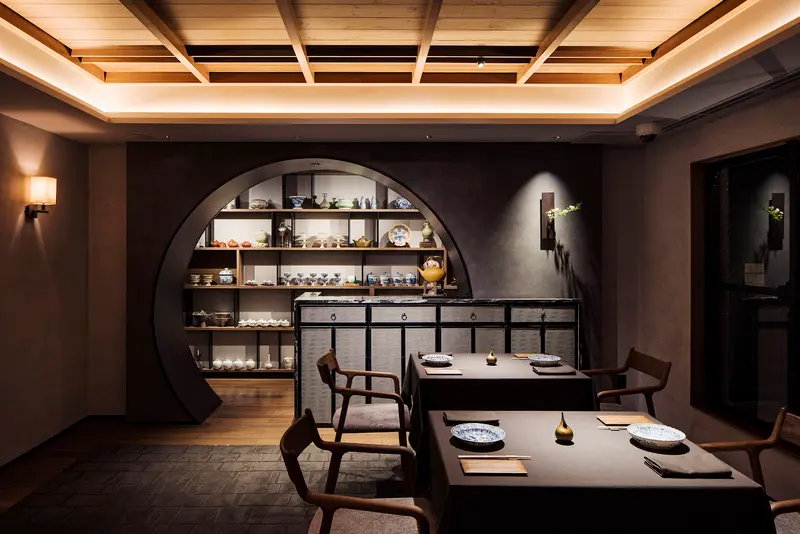
Sazenka
Tomoya Kawada calls his cooking tea Zen Chinese, and Sazenka in Minamiazabu puts the idea on the plate: Chinese technique applied to seasonal Japanese ingredients, from spring rolls to Sichuan stir fries.
$$$$Azabu & RoppongiAsianNew to voting, be the first
- Guide stop 17SÉZANNE
SÉZANNE
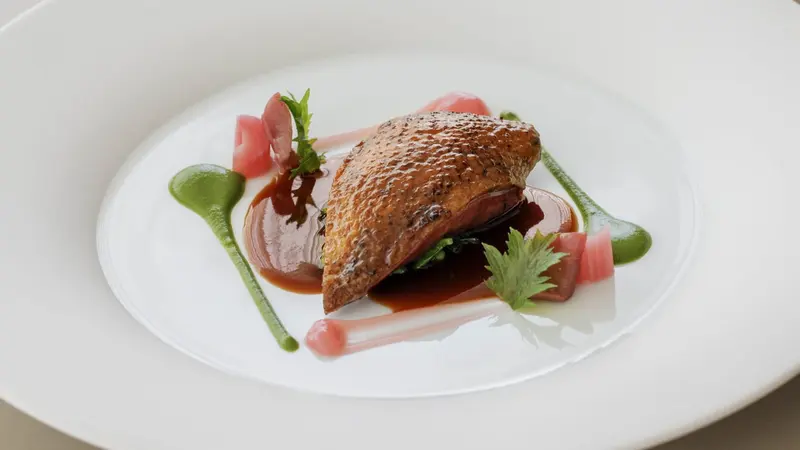
Seven floors up in the Four Seasons at Marunouchi, Sézanne sits in an Andre Fu designed room arranged around an open kitchen.
$$$$MarunouchiFine DiningNew to voting, be the first
- Guide stop 18Shinsuke
Shinsuke
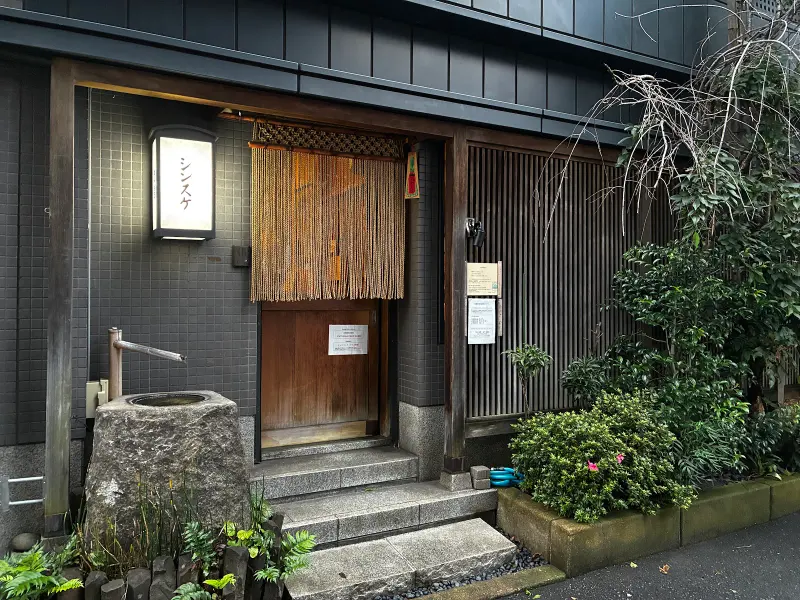
A sake shop founded in 1805 became Shinsuke, which reopened as an izakaya in 1924 after the Great Kanto Earthquake.
$$Ueno & YushimaJapaneseNew to voting, be the first
- Guide stop 19Sougo
Sougo
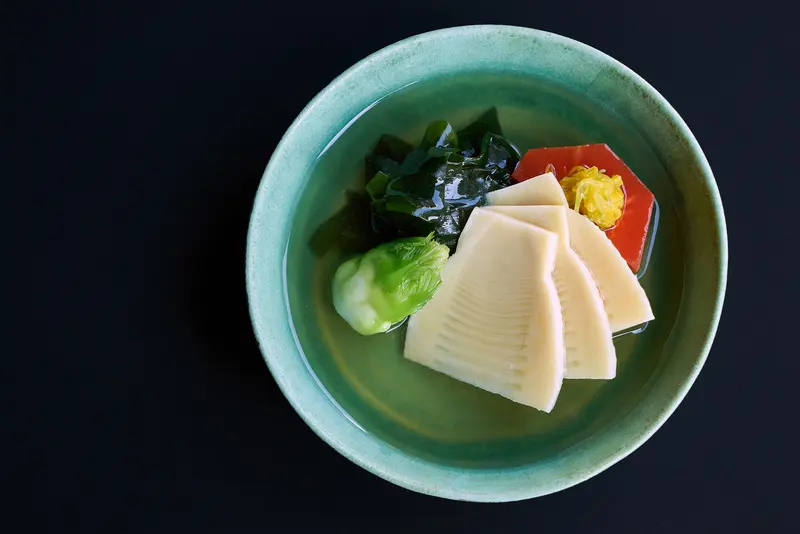
Daisuke Nomura, previously at Daigo, cooks shojin ryori at Sougo on the third floor of the Roppongi Green Building.
$$$$Azabu & RoppongiJapaneseNew to voting, be the first
- Guide stop 20Sumibi Yakiniku Nakahara
Sumibi Yakiniku Nakahara
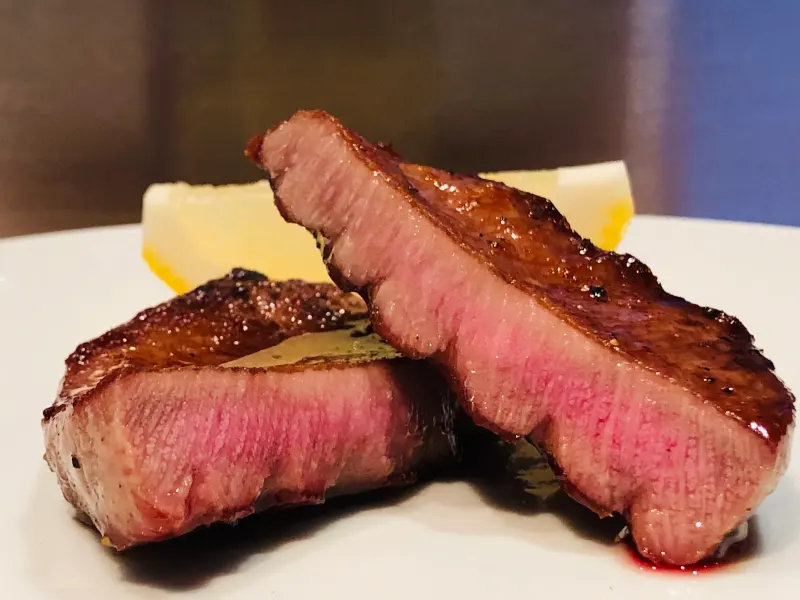
Kentaro Nakahara grills over charcoal in Ichigaya, and the draw here is the phantom tongue: a rare wagyu tongue cut by hand into three sections, each grilled for a different time and texture.
$$$$IchigayaJapaneseNew to voting, be the first
- Guide stop 21Sushi Arai
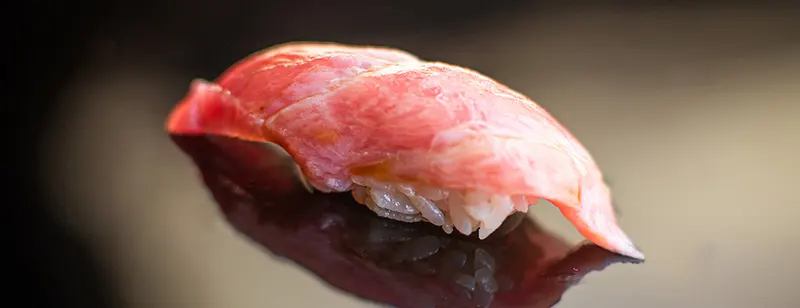
Sushi Arai
Tuna is the reason most diners chase a seat at Sushi Arai, where Yuichi Arai adjusts the cut and the vinegar in the rice to suit the fish in front of him.
$$$$GinzaJapaneseNew to voting, be the first
- Guide stop 22Sushi Dai
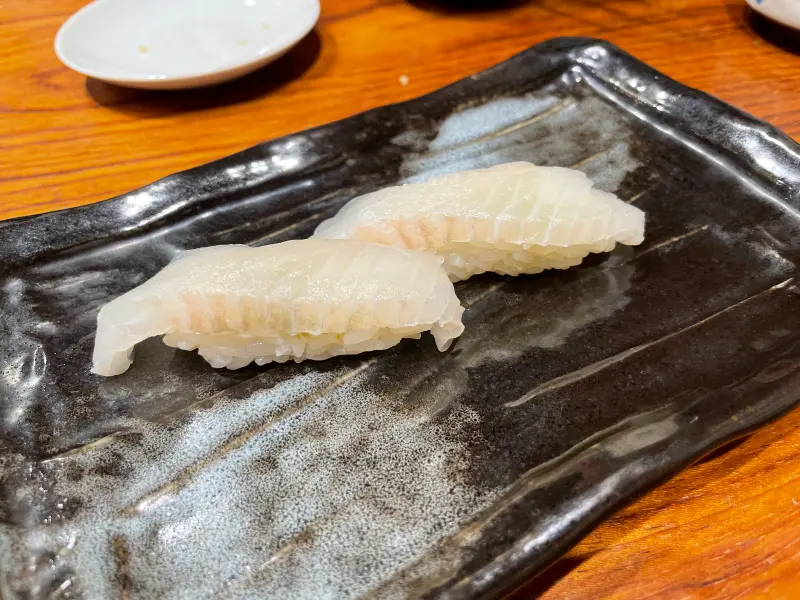
Sushi Dai
Toyosu market is where Sushi Dai landed after leaving Tsukiji, and the queue came too.
$$$ToyosuJapaneseNew to voting, be the first
- Guide stop 23Sushi Sho Yotsuya
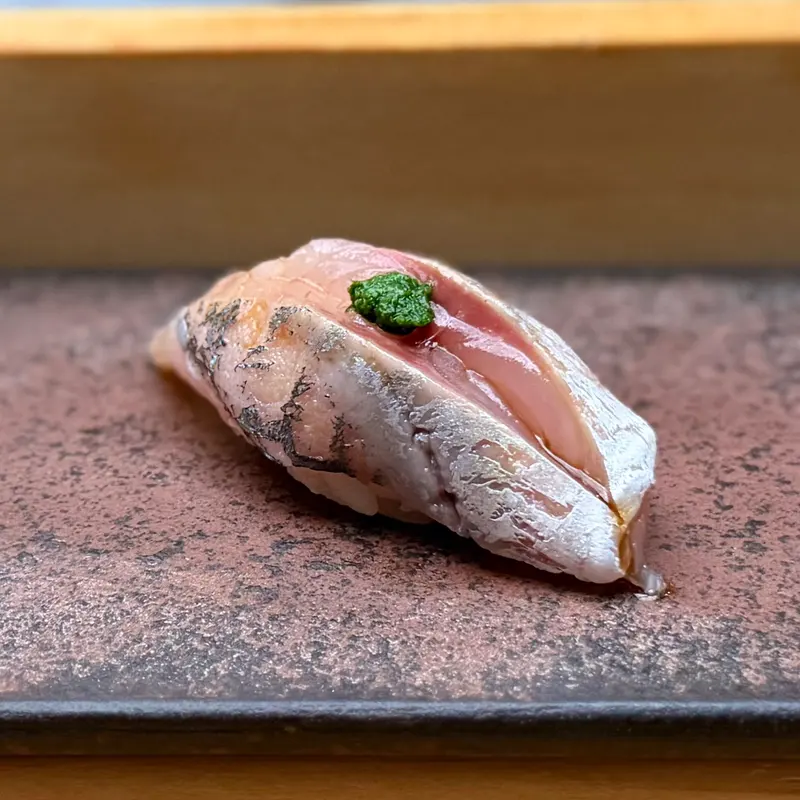
Sushi Sho Yotsuya
Keiji Nakazawa founded Sushi Sho in Yotsuya on a rhythm of tsumami small plates alternating with nigiri, and Keita Katsumata now runs the hinoki counter.
$$$$ShinjukuJapaneseNew to voting, be the first
- Guide stop 24Sushi Yoshitake
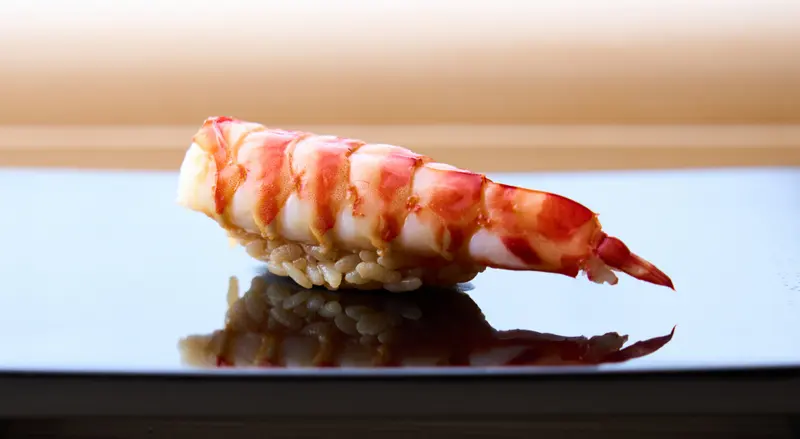
Sushi Yoshitake
Masahiro Yoshitake's best known dish uses abalone twice: steamed, then dipped in a sauce made from its own liver, after which the leftover sauce is folded through a little sushi rice.
$$$$GinzaJapaneseNew to voting, be the first
- Guide stop 25Tempura Kondo
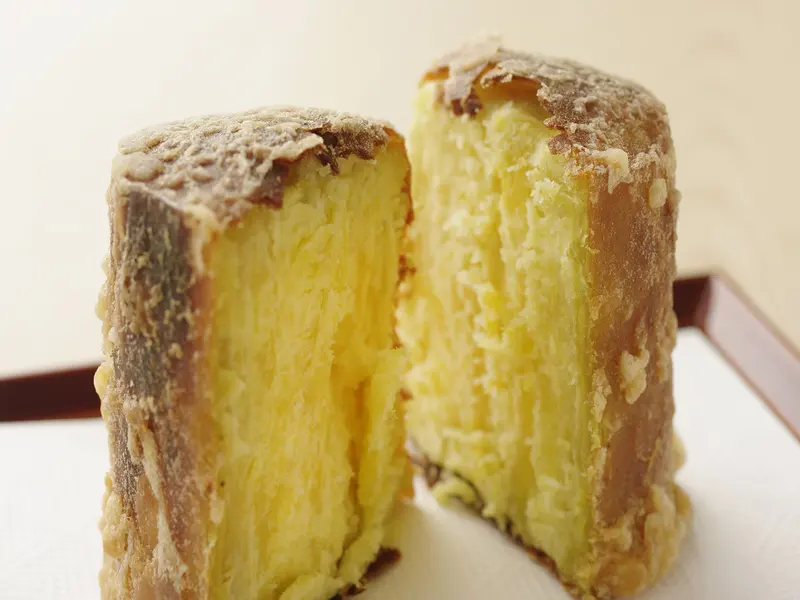
Tempura Kondo
Fumio Kondo treats tempura as a way of steaming each ingredient inside its batter, and vegetables get as much attention as seafood at his ninth floor counter in Ginza.
$$$$GinzaJapaneseNew to voting, be the first
- Guide stop 26The Pizza Bar On 38th
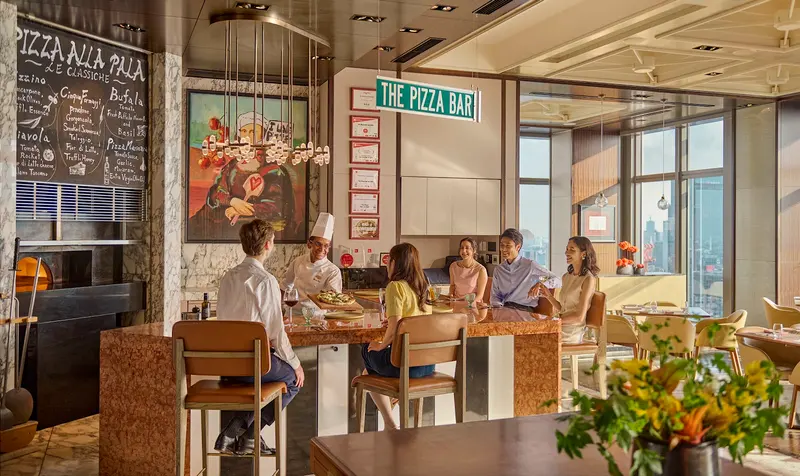
The Pizza Bar On 38th
Eight seats, one counter and a set start: The Pizza Bar on 38th, inside the Mandarin Oriental in Nihonbashi, runs like a sushi bar for pizza.
$$$$NihonbashiPizzaNew to voting, be the first
- Guide stop 27Tonki
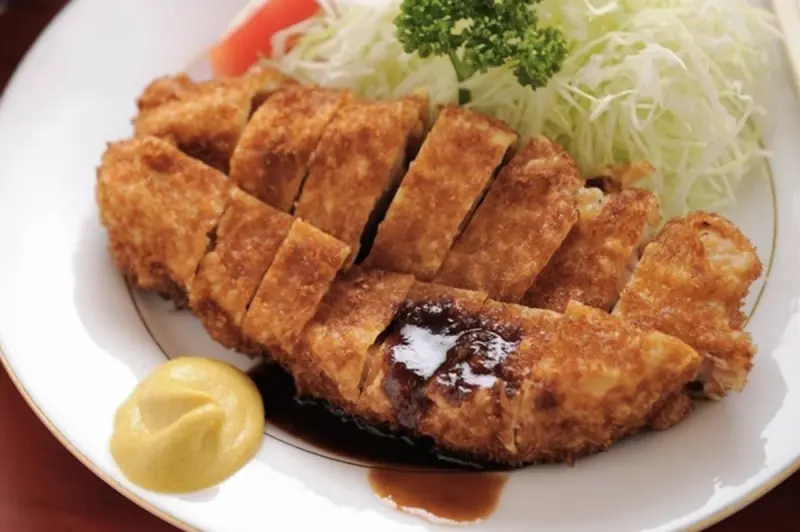
Tonki
Tonki has been frying tonkatsu in Meguro since 1939, and the ground floor still seats diners at a counter wrapped around a wide open kitchen.
$$Meguro & ShinagawaJapaneseNew to voting, be the first
- Guide stop 28Torishiki
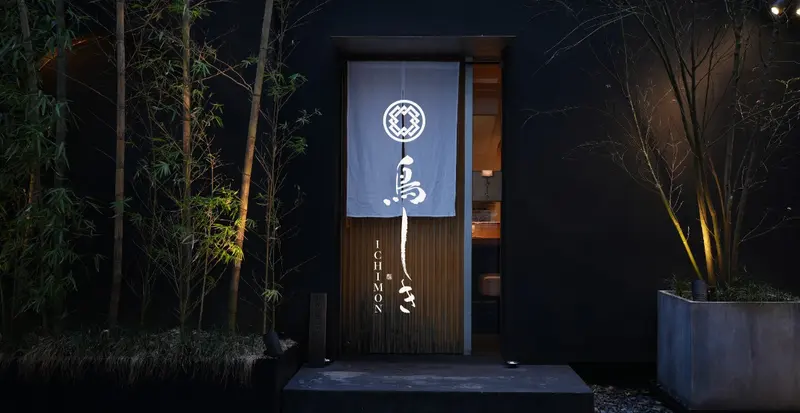
Torishiki
Yoshiteru Ikegawa runs Torishiki as a twelve seat yakitori counter in Meguro, grilling chicken skewer by skewer for diners who booked well ahead.
$$$$Meguro & ShinagawaJapaneseNew to voting, be the first
- Guide stop 29Udon Shin
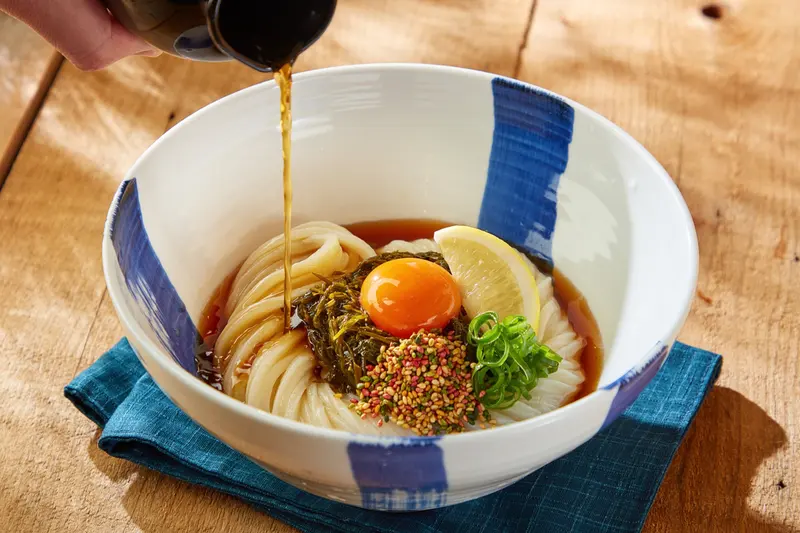
Udon Shin
Udon Shin rolls and cuts its thick udon by hand and rests the dough before cooking, which explains the bite.
$$YoyogiJapaneseNew to voting, be the first
- Guide stop 30Yakiniku Jumbo Shirokane
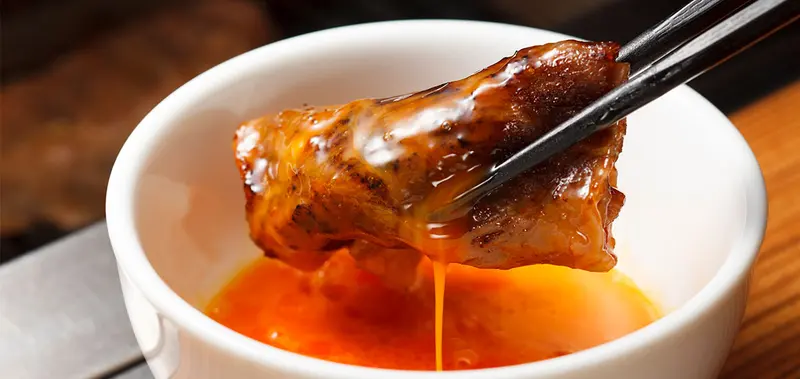
Yakiniku Jumbo Shirokane
Nohara yaki is the dish at Yakiniku Jumbo Shirokane: hand cut A5 wagyu sirloin in the house tare, flashed on the grill and dipped in raw egg yolk.
$$$$Azabu & RoppongiJapaneseNew to voting, be the first
Keep exploring Tokyo
Questions
- What is on this list of Tokyo restaurants?
- Places across Azabu, Ginza, Aoyama, Marunouchi, Shinjuku and beyond, from tasting menus to noodle counters, starting with Butagumi, Crony and Den.
- Which restaurants on the list are casual?
- Ginza Hachigou is one: a six seat ramen counter with a Michelin Bib Gourmand, serving a consommé style soup with foie gras wontons.
- Is this list in any order?
- Not yet: the venues are listed alphabetically. It will be reordered as diner votes come in, and positions cannot be bought.
Missed one?
Put it in the ring. If it's good, diners will rank it.
Vote on places in this guide