
Tokyo Food Scene 2026: Counters Old and New
From a Yushima izakaya rooted in an 1805 sake shop to a 10 seat yakitori counter in Nakameguro, here is how Tokyo eats right now, and who is behind it.
Supper Social3 November 20265 min read
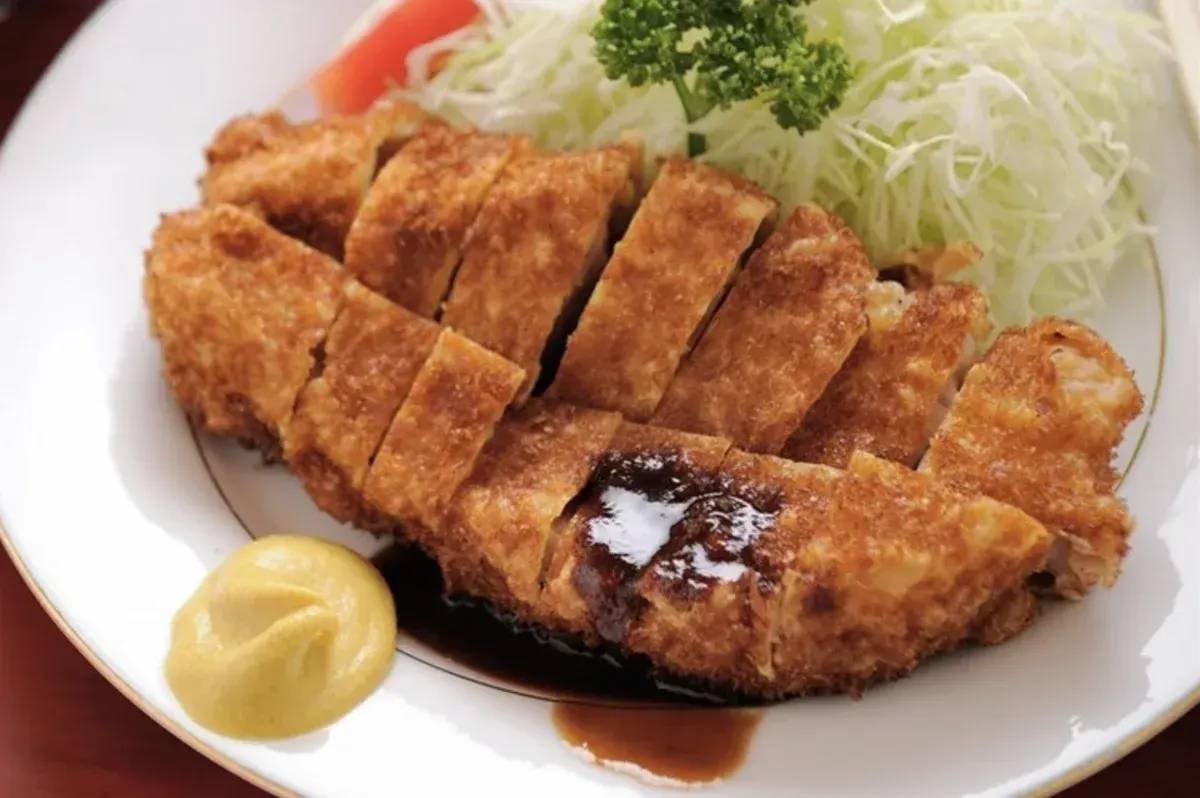
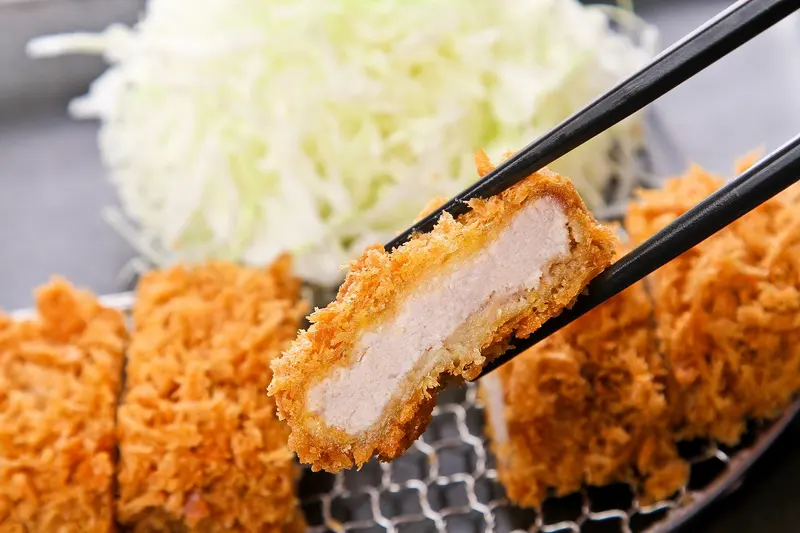
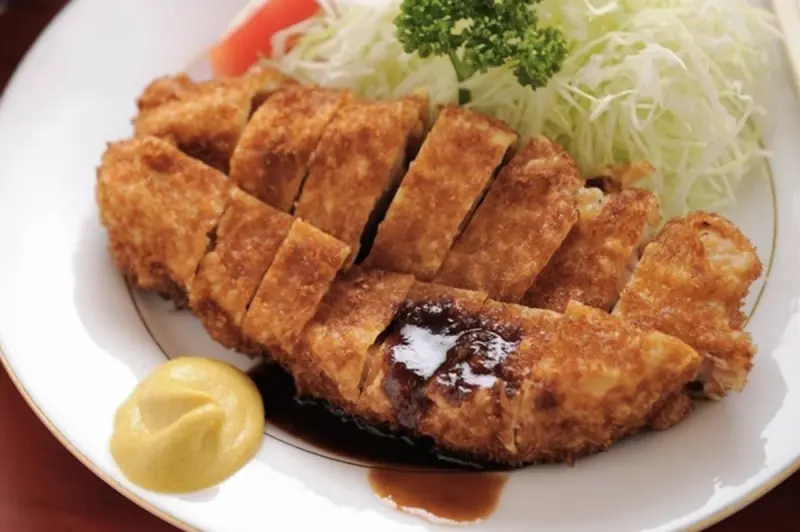
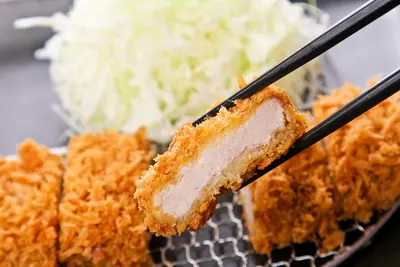
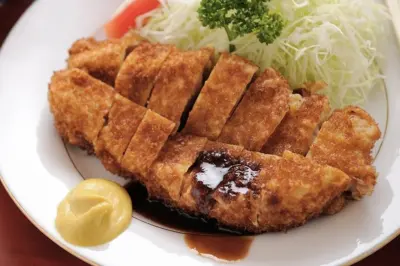
Tonkatsu at Tonki, Meguro. Photo: Tonki, tonkatsutonki-megurohonten.com
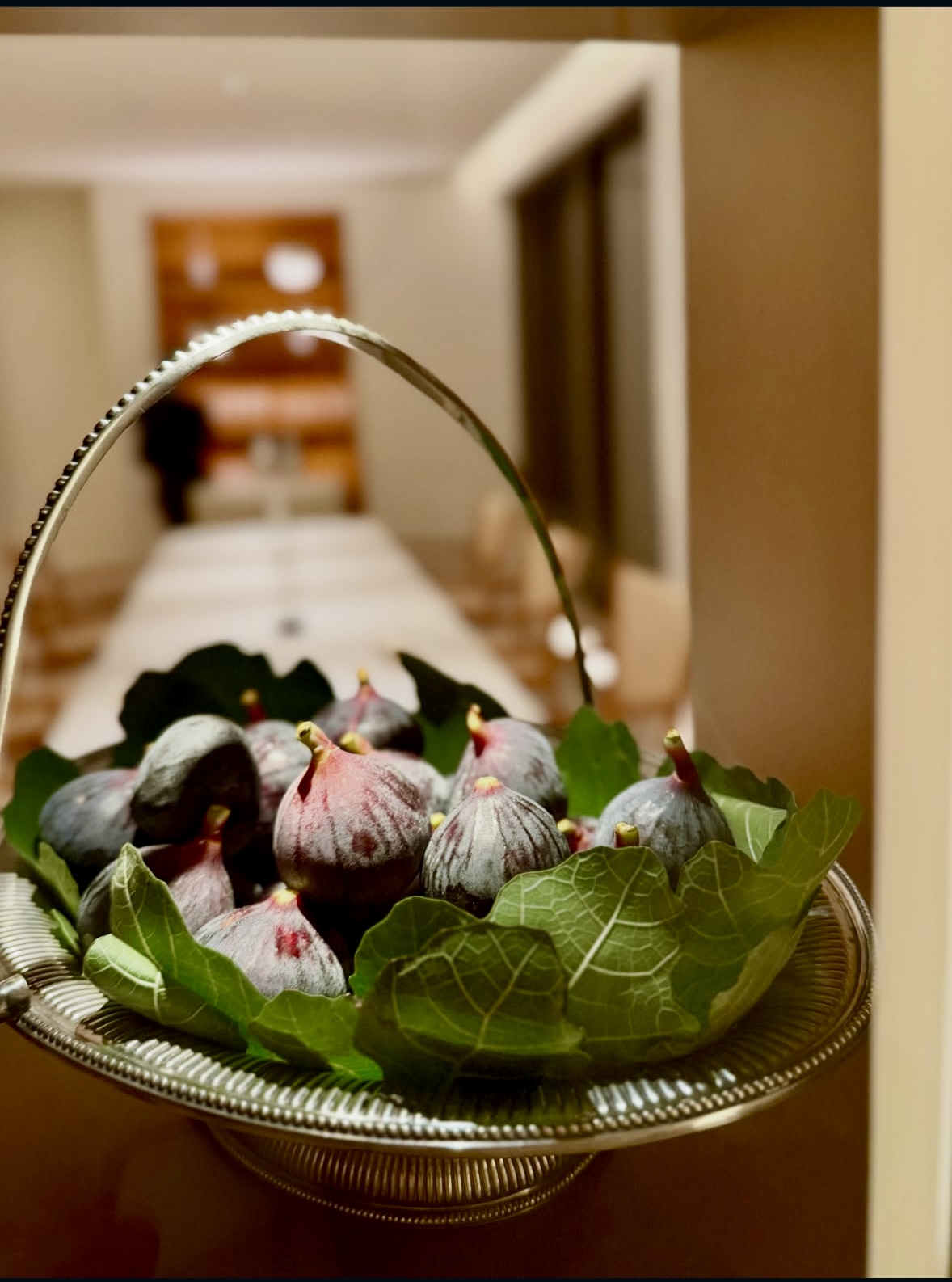

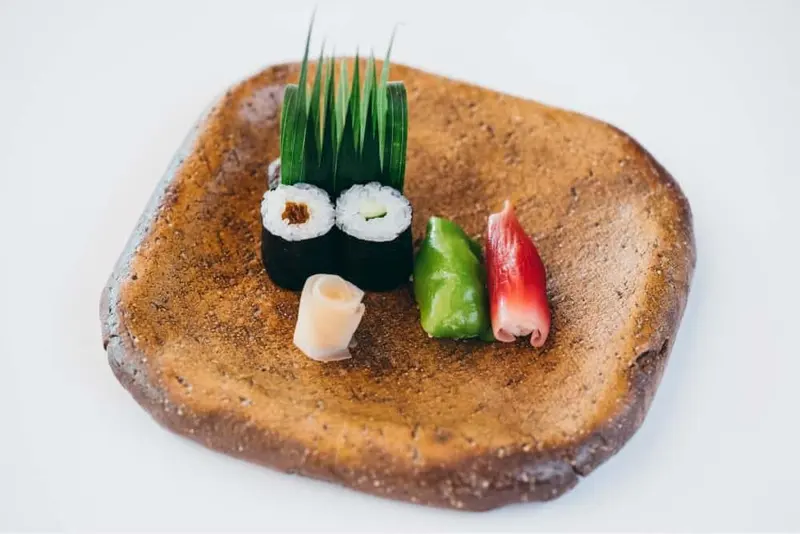

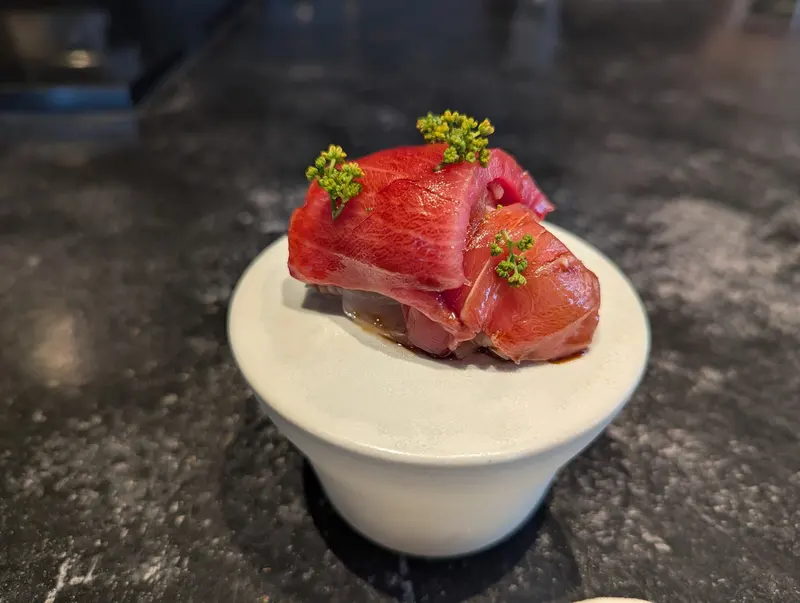




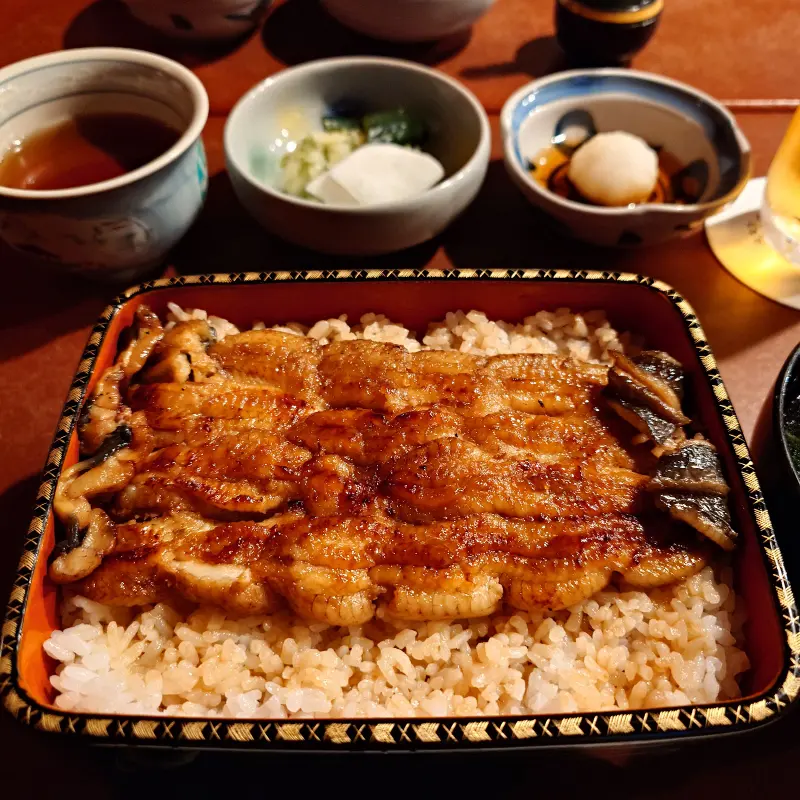

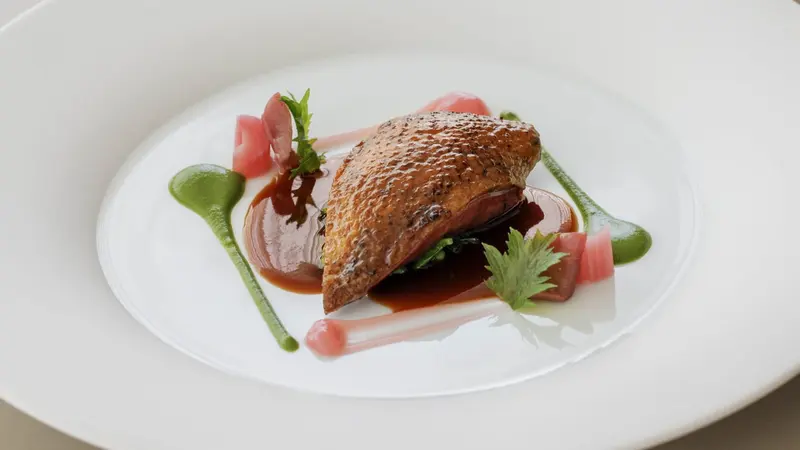

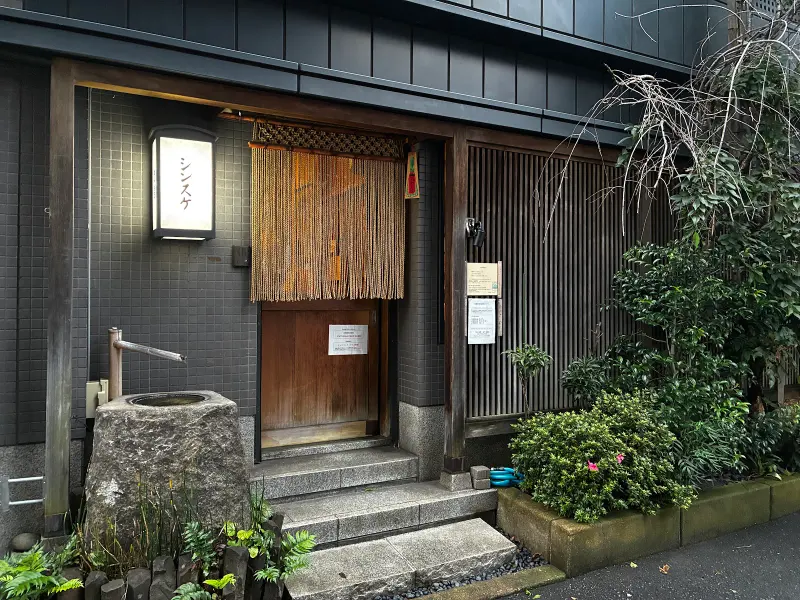

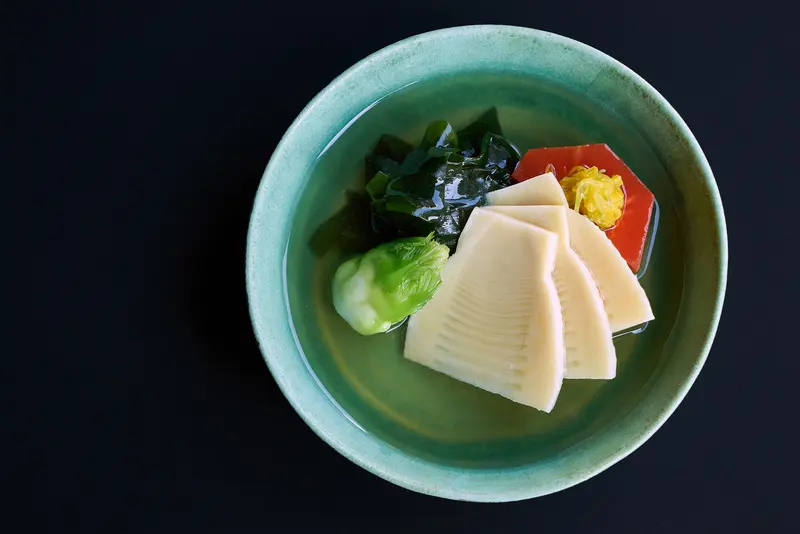




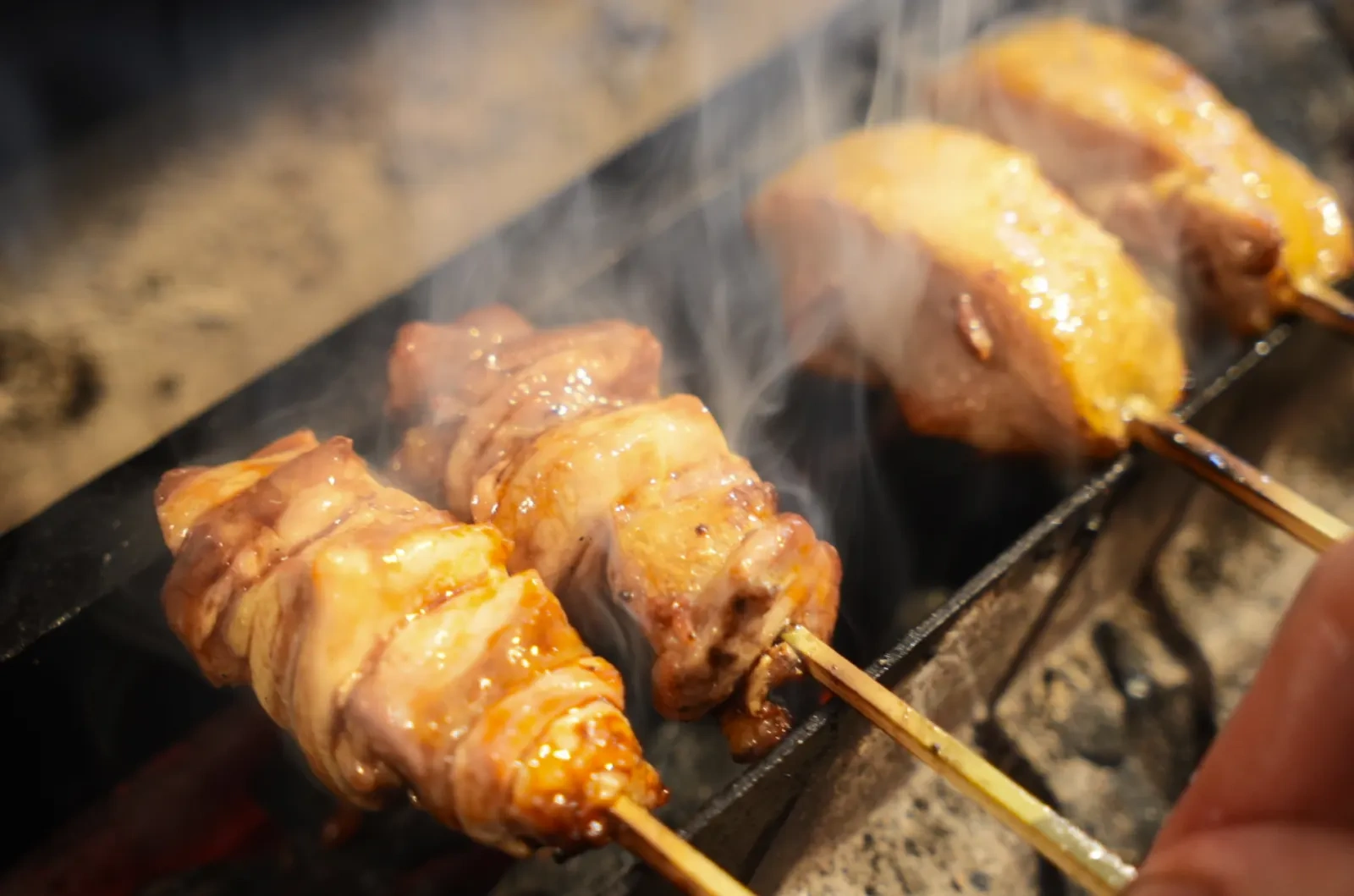
Tokyo cooks at every scale at once. A tonkatsu counter in Meguro has fried since 1939, a Yushima izakaya traces its roots to a sake shop founded in 1805, and a run of new counters opened across the city in October. This is the Tokyo food scene right now: what has just arrived, the institutions that have lasted, the groups and families behind the dining rooms and where to start, area by area. For where to eat tonight, start with our Tokyo restaurants list.
Checked on 26 October 2026 against venue, group and official sources. Menus, hours and addresses change, so check before you go.
Fresh on the scene
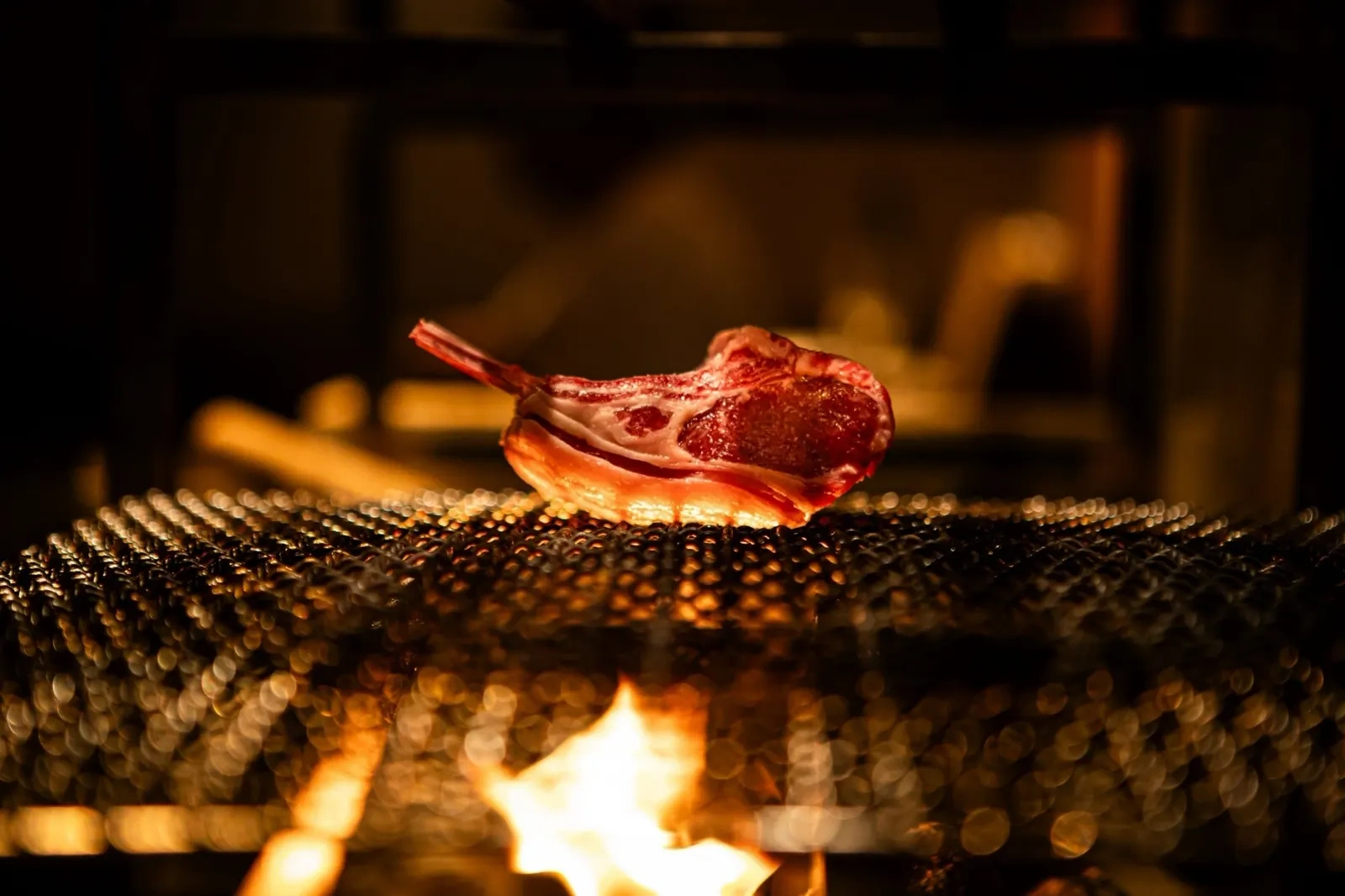
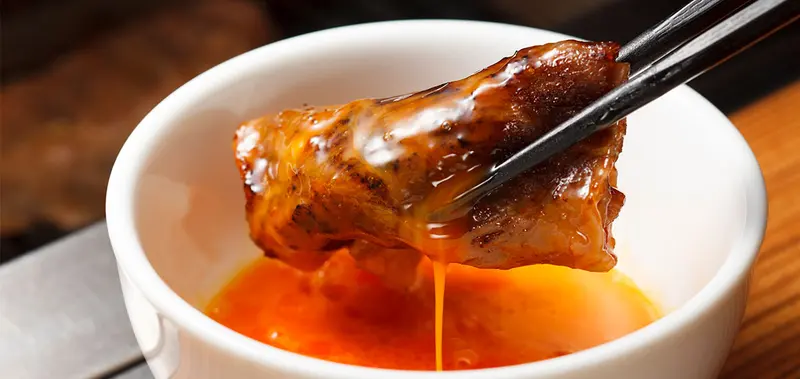
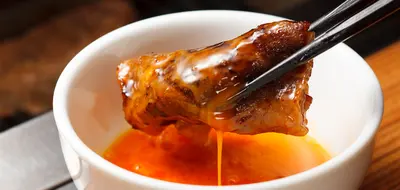
October brought a cluster of openings. Chez Calvert opened at Azabudai Hills on 1 October 2026 as Daniel Calvert's first independent restaurant: an omakase of French cooking built on seasonal Japanese produce, in a room designed by John Pawson. In Nakameguro, Yakitori B8 held its grand opening on 14 October. It is a 10 seat counter on the second floor of Jouet Nakameguro, on the Meguro Ginza shopping street, where whole birds are broken down in house and grilled over binchotan.
In Ikebukuro, Le Logis Beau had its grand opening on 1 October: a charcoal bistro with a live open kitchen and about 50 wines, set in a renovated Showa era house nearly 60 years old near Nishi-Ikebukuro Park. And in Jiyugaoka, Yohaku opened on 9 October inside the new mimimi JIYUGAOKA complex, an Edomae sushi counter from the teams behind Ginza Hakkoku and Hiroo Sushidan.
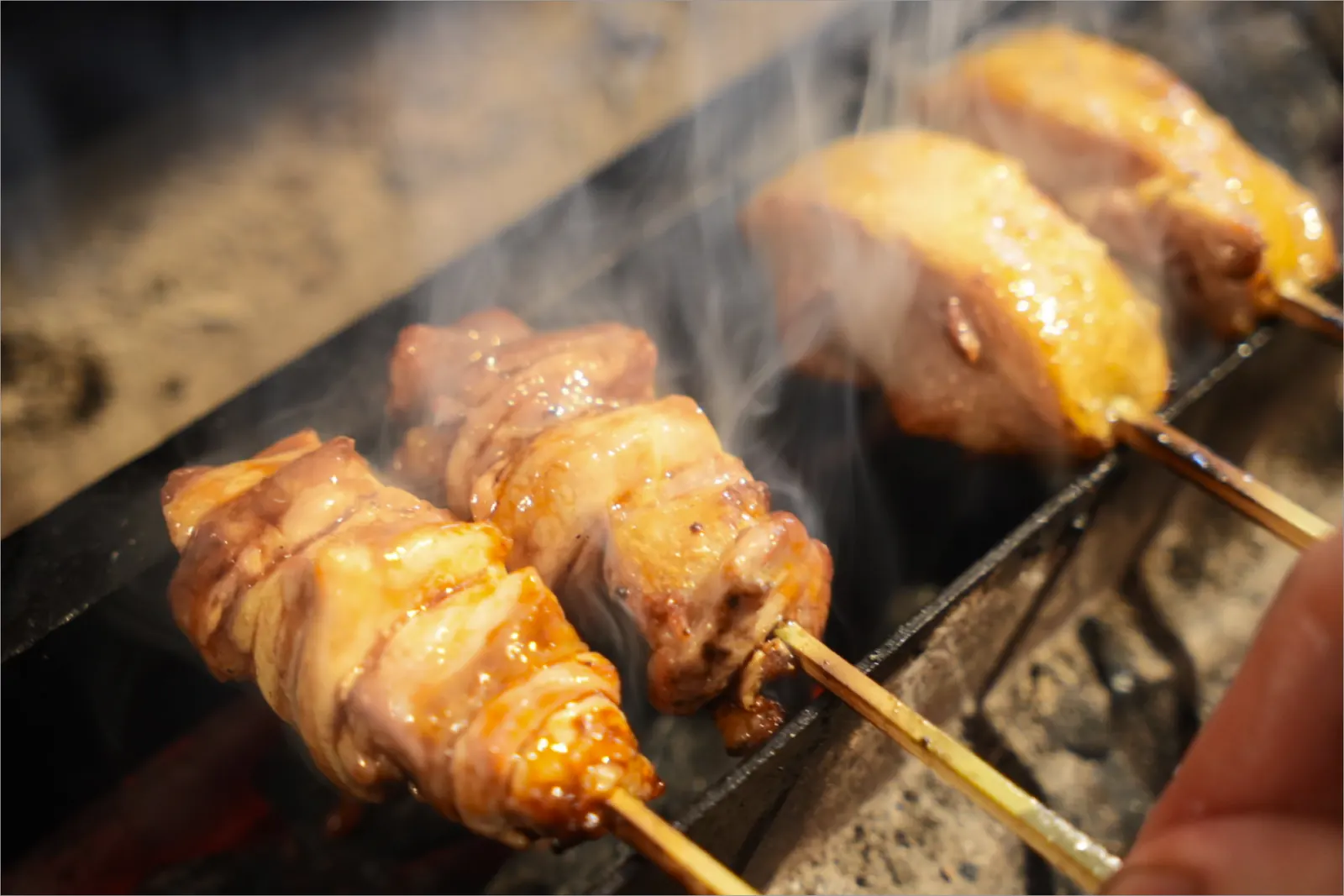
We keep the full, growing list in our guide to new restaurants in Tokyo.
The institutions that still draw a crowd
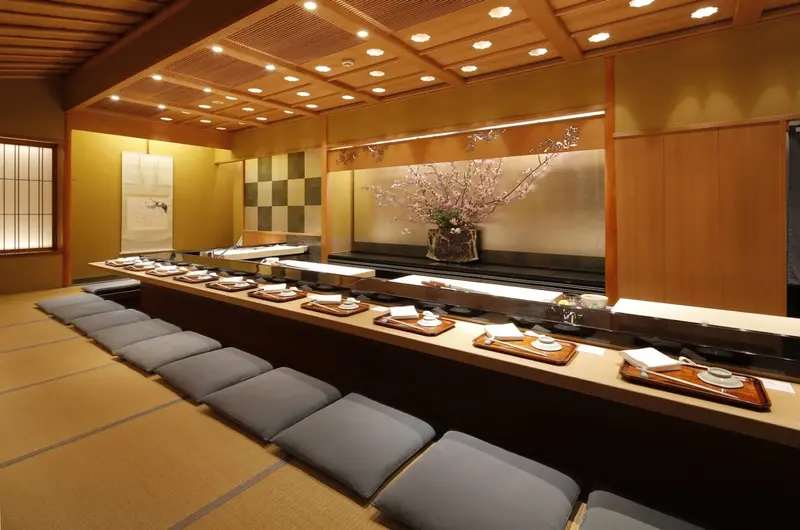
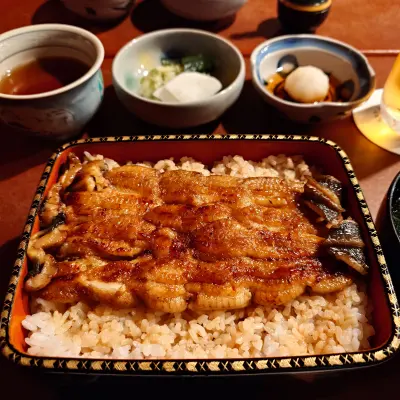
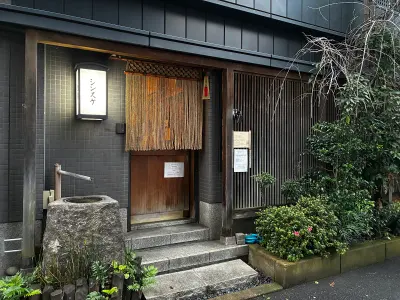
Many of Tokyo's long runners are family businesses now on their third, fourth or sixth generation. Shinsuke in Yushima began as a sake shop in 1805. The 1923 Great Kanto Earthquake brought the building down, it restarted in 1924 as an izakaya, and today it pours only Ryozeki sake from Akita. Eel house Nodaiwa traces its start to the Kansei era (1789 to 1801) in Iikura and is now run by the sixth generation of the Kanemoto family. Tonki has fried tonkatsu in Meguro since 1939, with a counter around an open kitchen, and the founder's grandson runs it today.
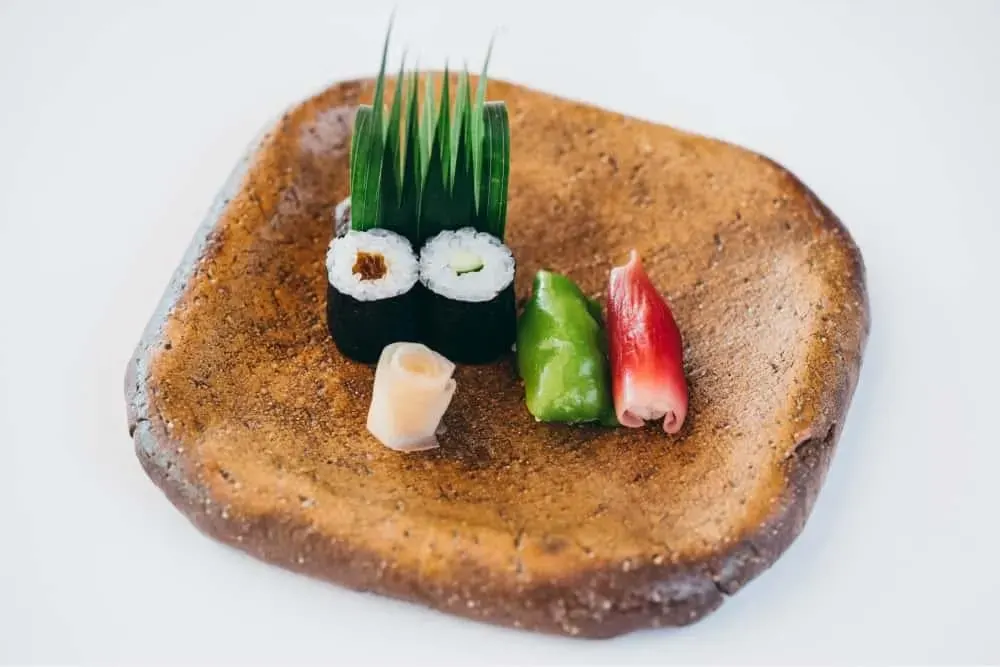
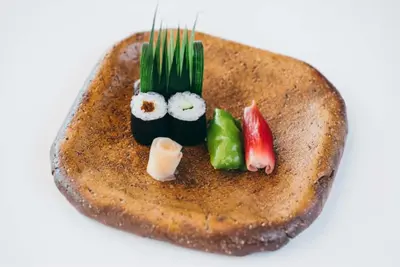
In Ginza, Kyubey opened in the eighth chome in December 1935. Founder Hisaji Imada devised gunkan maki, the nori wrapped sushi that holds sea urchin on its rice, in the 1940s, and third generation owner Kagehisa Imada runs the house now. Maisen opened in 1965 in the basement of the Hibiya Mitsui Building. Its Aoyama main building followed in 1978, and in 1983 it took over a neighbouring public bathhouse as a dining room, keeping the high coffered ceiling.
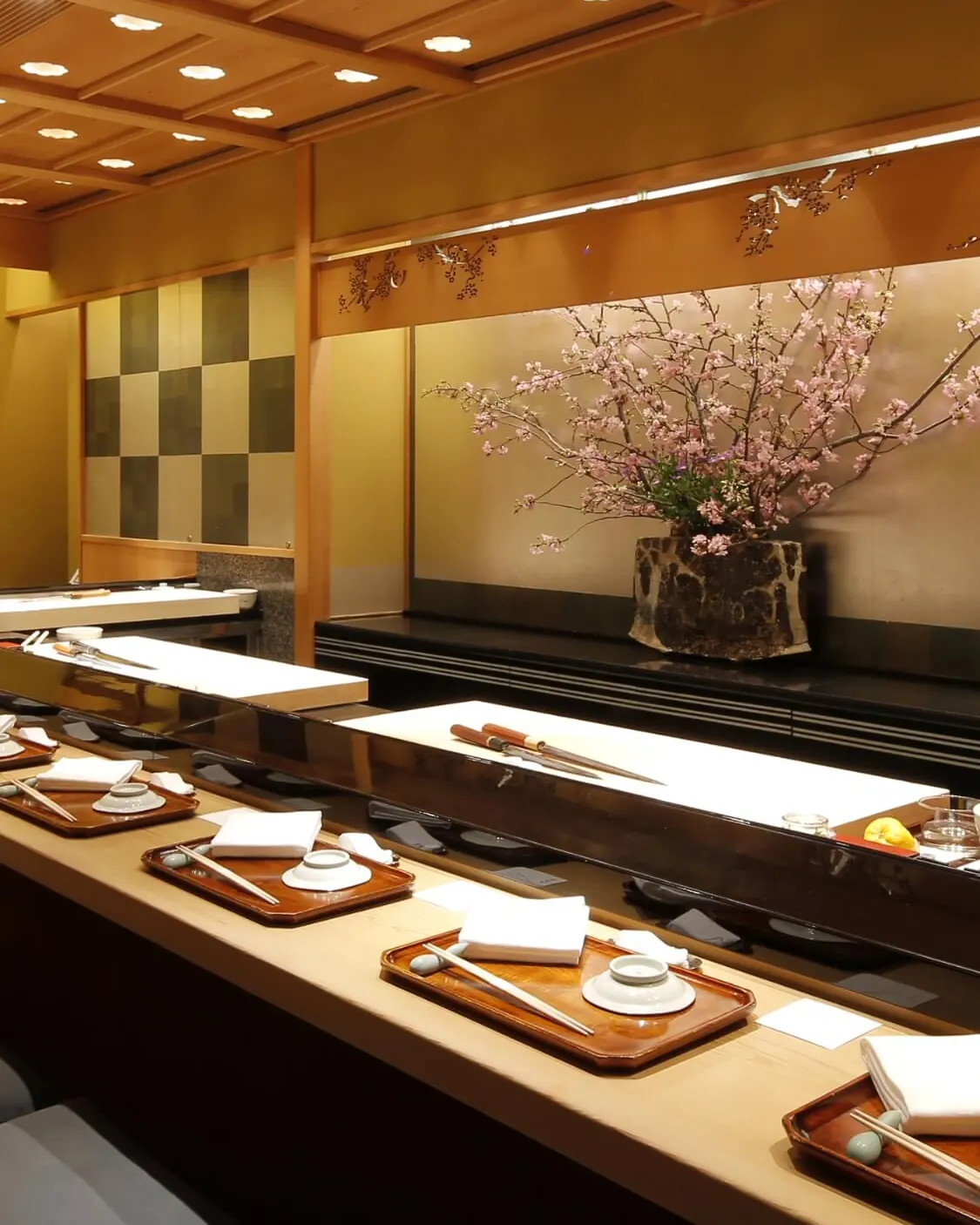
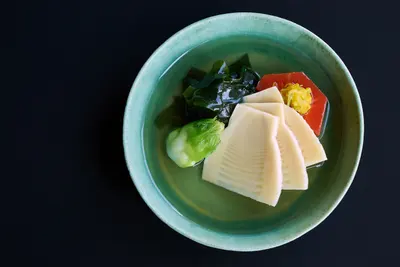
Daigo, at the foot of Mount Atago, has served shojin ryori, the Buddhist temple cooking of Japan, in a sukiya style building since 1950, and its fourth generation is Yusuke Nomura. Florilège is younger: Hiroyasu Kawate opened it in Minami-Aoyama in 2009, moved to Jingumae in 2015 and reopened at Azabudai Hills in September 2023, where guests sit around one 13 metre table.
For more of the long runners, see Tokyo restaurants worth knowing.
The hospitality groups and families shaping Tokyo
Tokyo runs on chef led stables and family lines as much as on big portfolios. These are the names that keep coming up.
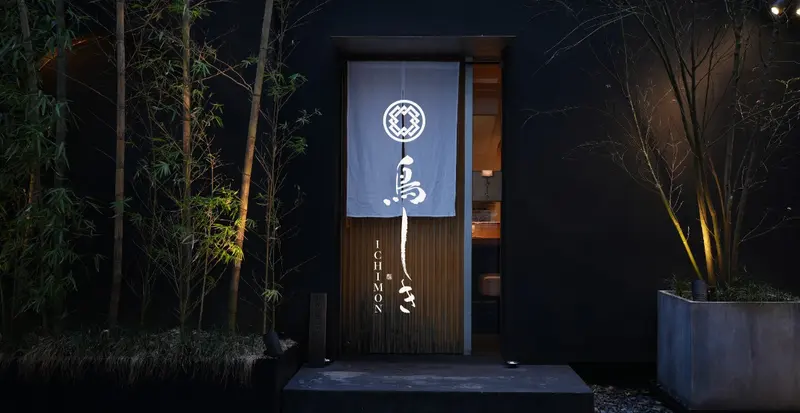
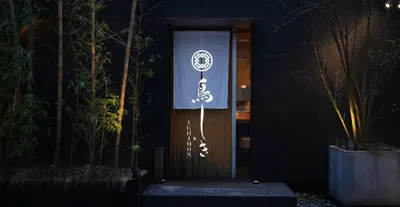
Torishiki ICHIMON. Yoshiteru Ikegawa opened Torishiki in 2007 after training at Toriyoshi in Nakameguro. In 2023 he formed Torishiki ICHIMON with LDH, and the group, run by LDH kitchen, now takes in counters such as Toriyoshi and Torikaze, plus Torien in New York.
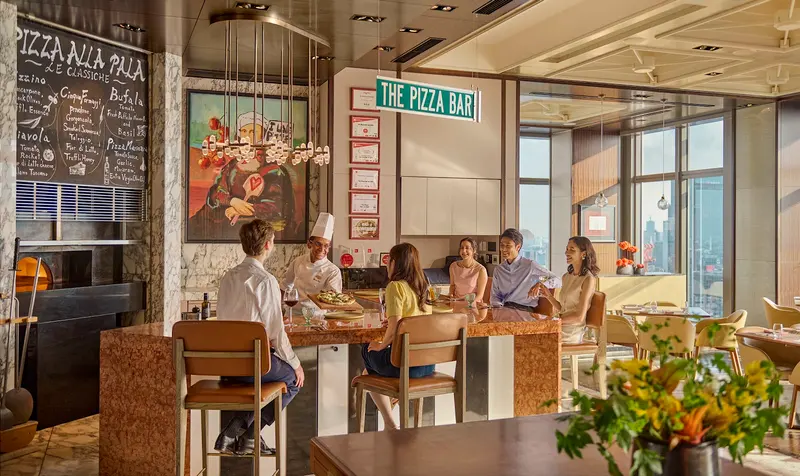
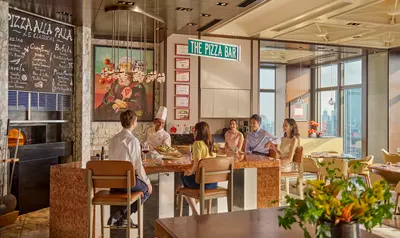
Daniel Calvert and the hotel kitchens. Calvert came to Tokyo in 2021 to open SÉZANNE at Four Seasons Hotel Tokyo at Marunouchi. Stephen Lancaster took over as executive chef there on 1 April 2026, and Calvert has since opened Chez Calvert. At Mandarin Oriental, Tokyo, executive chef Daniele Cason oversees The Pizza Bar on 38th, an omakase style pizza counter.
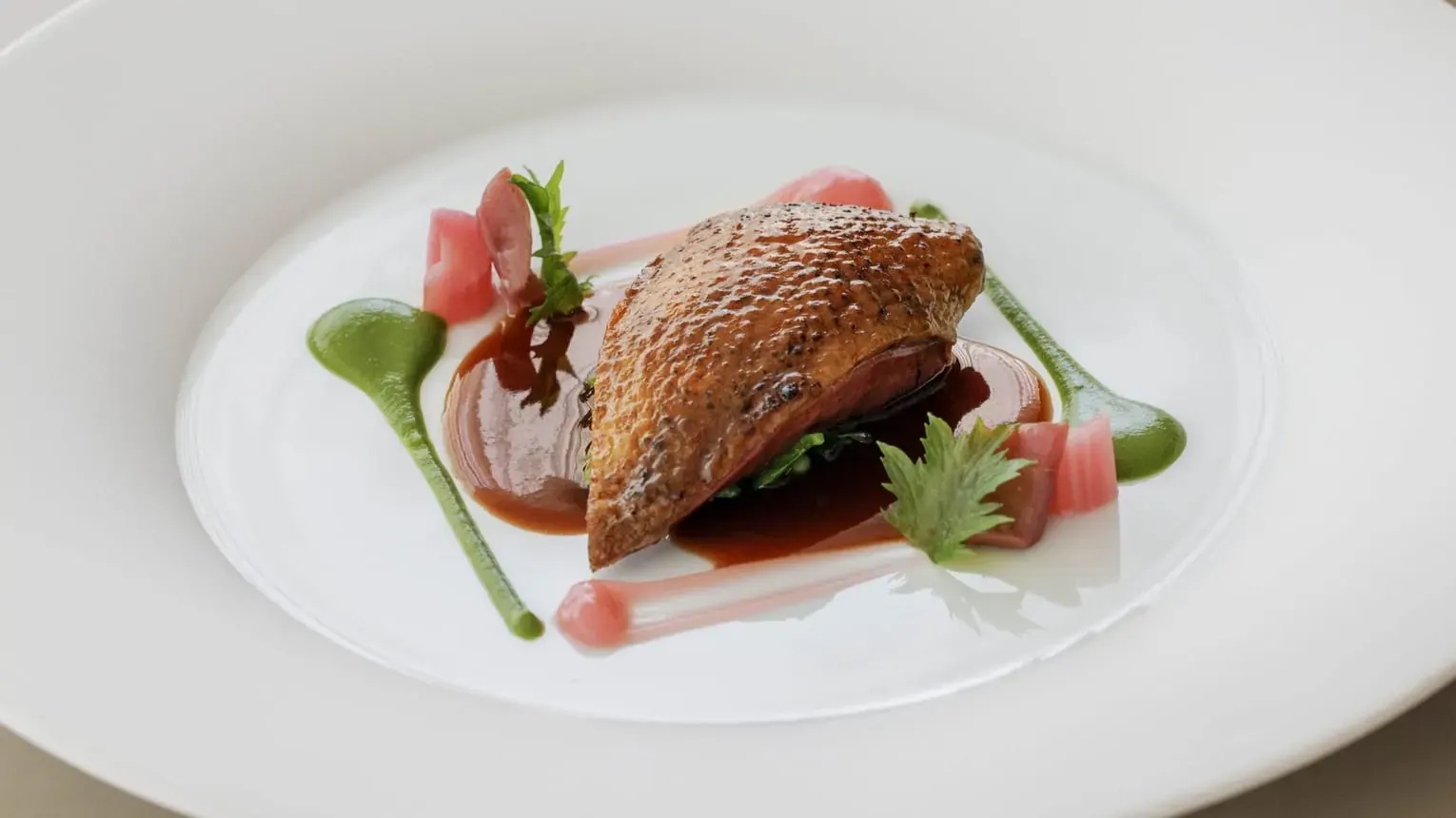
The Daigo family. Daisuke Nomura, eldest son of the family behind Daigo and once its head chef, went independent in 2015 to open Sougo in Roppongi, cooking traditional shojin with a modern eye in a more relaxed room.
Mab. Yakitori B8 belongs to Mab's B Series of yakitori counters, which also has B3 in Osaka, B7 in Nagoya and B9 in Aoyama.
Forstar. The team behind Le Logis Beau is better known for oyster bars such as Kakiya and Yakigakiya, and the bistro is its first venue in Ikebukuro.
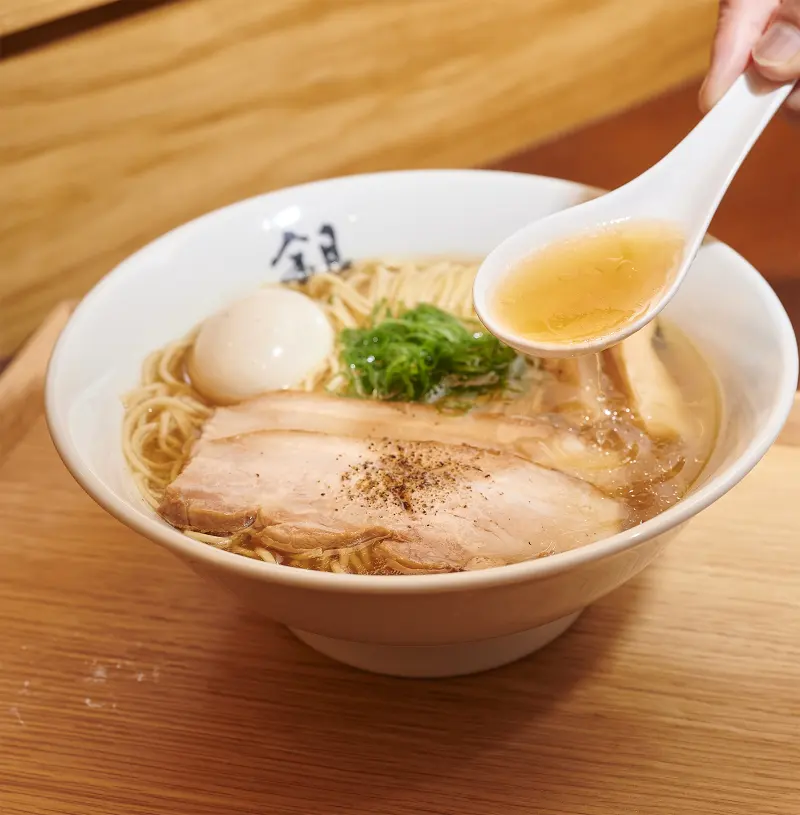
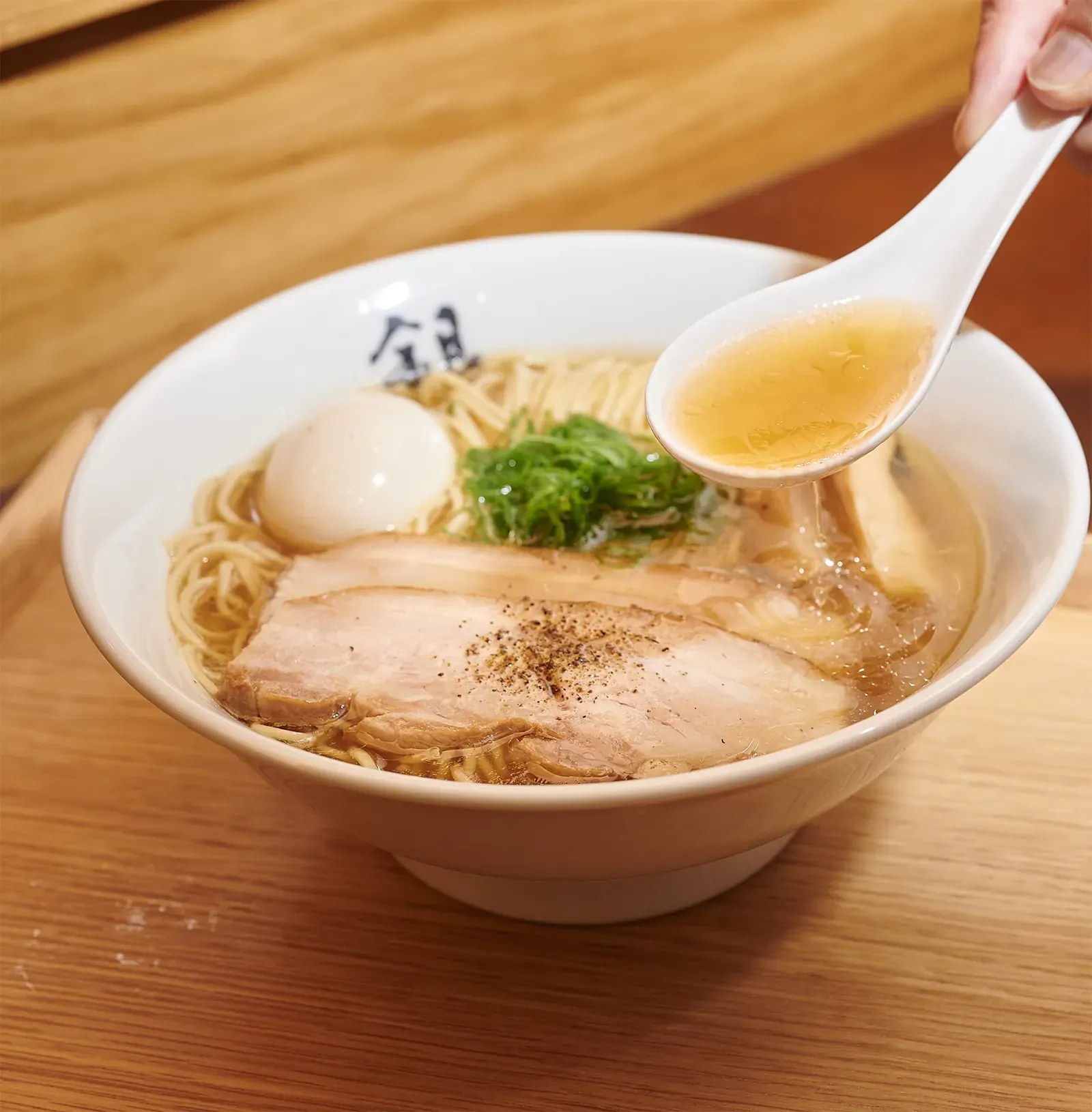
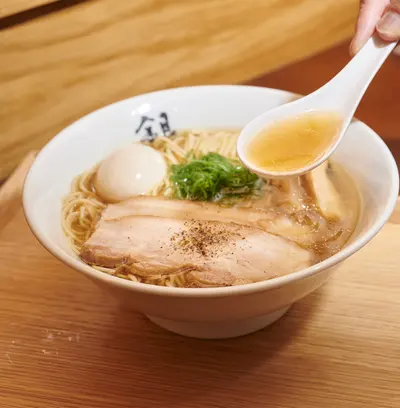
Katsumoto. Ginza Hachigou sits in the Katsumoto group alongside Chuka Soba Katsumoto and Tsukesoba Kanda Katsumoto. Its clear soup is built on duck and chicken with scallop and shiitake, with no kaeshi seasoning.
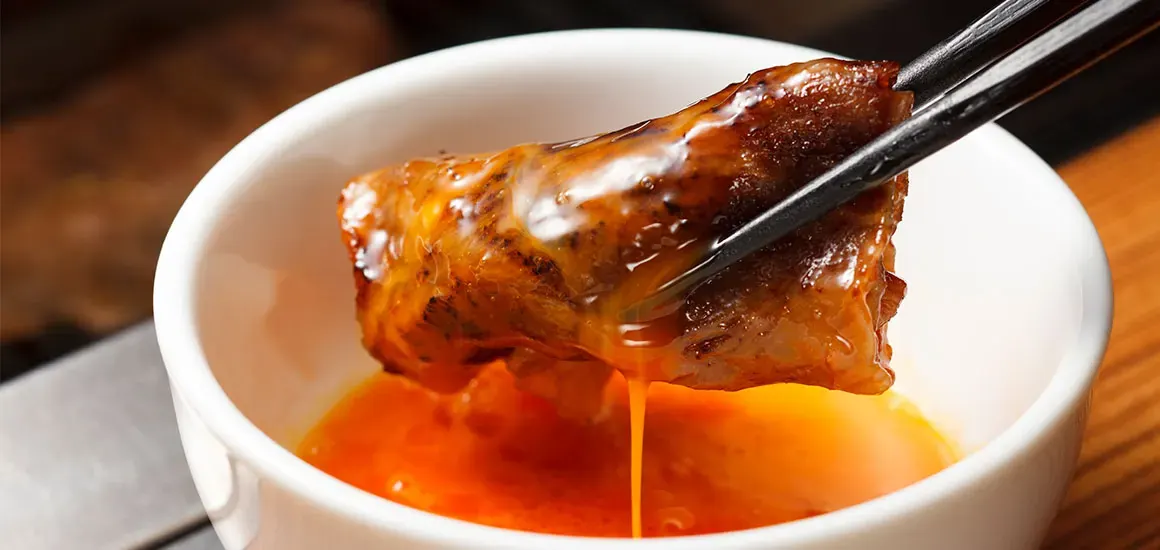
Valuet. In business since 2003, Valuet runs Yakiniku Jumbo Shirokane through its group company Beatus, alongside Meat Yazawa and Yakiniku Yazawa.
Where to start, by area
Ginza. The Ginza food scene runs from Kyubey's sushi counter to a bowl at Ginza Hachigou. Browse Ginza, our Ginza restaurants list and the guide to where to eat in Ginza.
Azabu and Roppongi. Chez Calvert and Florilège at Azabudai Hills, Nodaiwa in Iikura, Sougo, Daigo and Yakiniku Jumbo Shirokane. See Azabu and Roppongi, our Azabu and Roppongi restaurants list and the guide to where to eat in Roppongi and Azabu.
Aoyama and Shibuya. Start with tonkatsu at Maisen. See Aoyama and Shibuya and our Aoyama and Shibuya restaurants list.
Meguro and Shinagawa. Tonki for tonkatsu, then Torishiki for yakitori. See Meguro and Shinagawa and our Meguro and Shinagawa restaurants list.
Further out. Yakitori B8 in Nakameguro, Yohaku in Jiyugaoka, Le Logis Beau in Ikebukuro and Shinsuke in Yushima, a short walk from Ueno.
For the whole city, start with Tokyo restaurants, our fine dining list or our Japanese restaurants list. Flying between Bali and Tokyo? Our stopover guide has you covered.
Have your say in People's Choice
Tokyo is an early list on Supper Social, so we are still building it with diners. People's Choice is where you back the places you rate: one verified back per person, per venue, per month. Add yours at Tokyo People's Choice, and follow @suppersocial.co on Instagram for the carousel version of this guide.
Questions
- What is the Tokyo food scene known for?
- Depth at every scale. Family run institutions such as Shinsuke, Nodaiwa and Tonki share the city with chef led counters, hotel dining rooms and a steady run of new openings.
- Which Tokyo venues in this guide have been open longest?
- Shinsuke began as a sake shop in 1805, and Nodaiwa traces its start to the Kansei era (1789 to 1801). Kyubey opened in 1935, Tonki in 1939, Daigo in 1950 and Maisen in 1965.
- Which hospitality groups run Tokyo restaurants?
- The groups in this guide are Torishiki ICHIMON (run by LDH kitchen), Mab, Forstar, Katsumoto and Valuet, alongside hotel dining rooms at Four Seasons Hotel Tokyo at Marunouchi and Mandarin Oriental, Tokyo.
Share this story
The venues
Keep exploring
Related guides
Save this for later
Keep your favourite spots in one place and get the weekly pick.