Bar Rasa Wants You to Leave Knowing Something About Bali

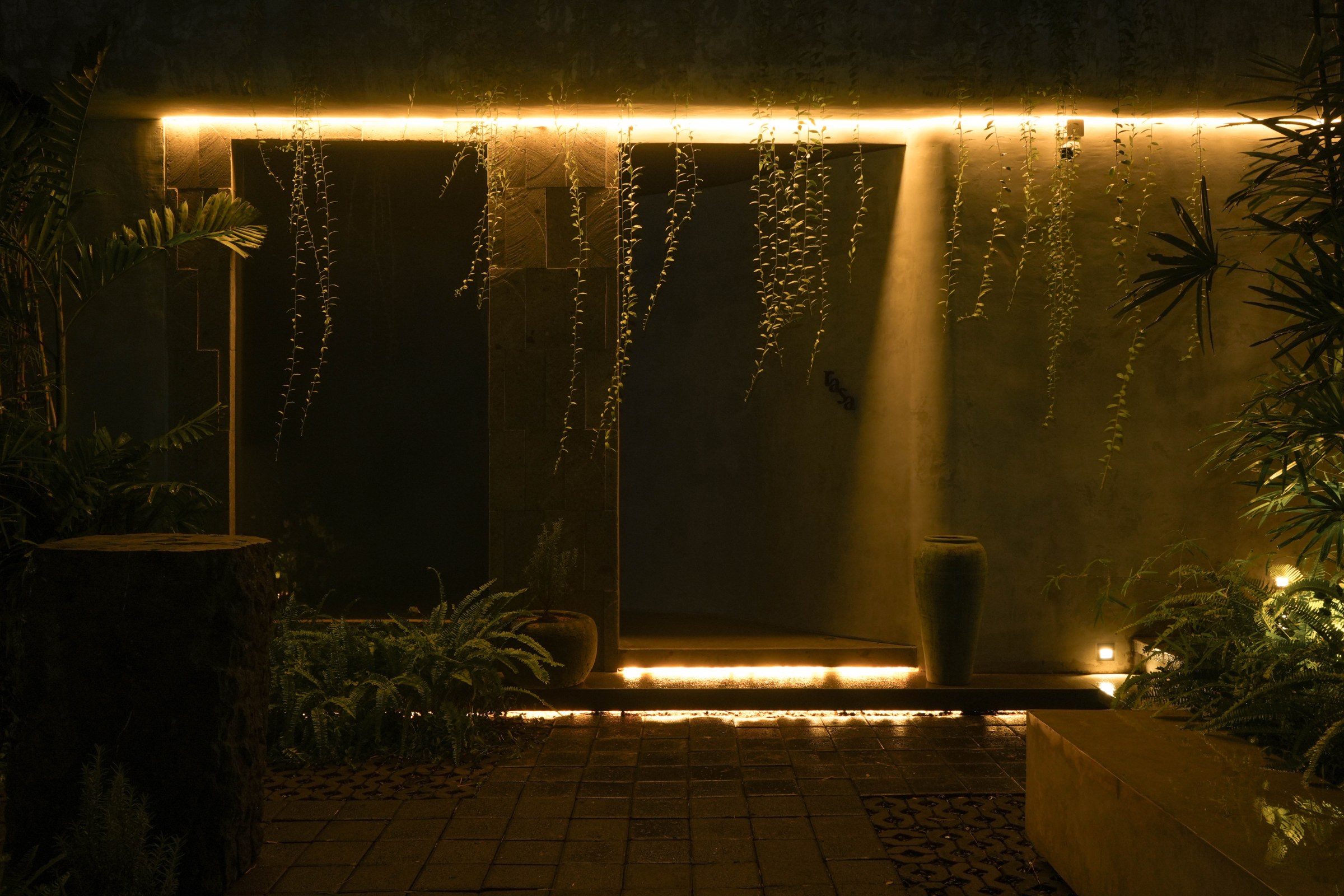
From the outside, Bar Rasa looks more like a small house than somewhere you would go for a cocktail. It sits back from the road in Petitenget, half-hidden by greenery, with none of the usual Seminyak theatre announcing that you have arrived somewhere important.
There is a large door at the entrance and, once you are through it, an equally oversized painting filled with enough tiny details to make you stop before you have even reached the bar. It is the sort of work that rewards looking properly. Bar Rasa turns out to work much the same way.
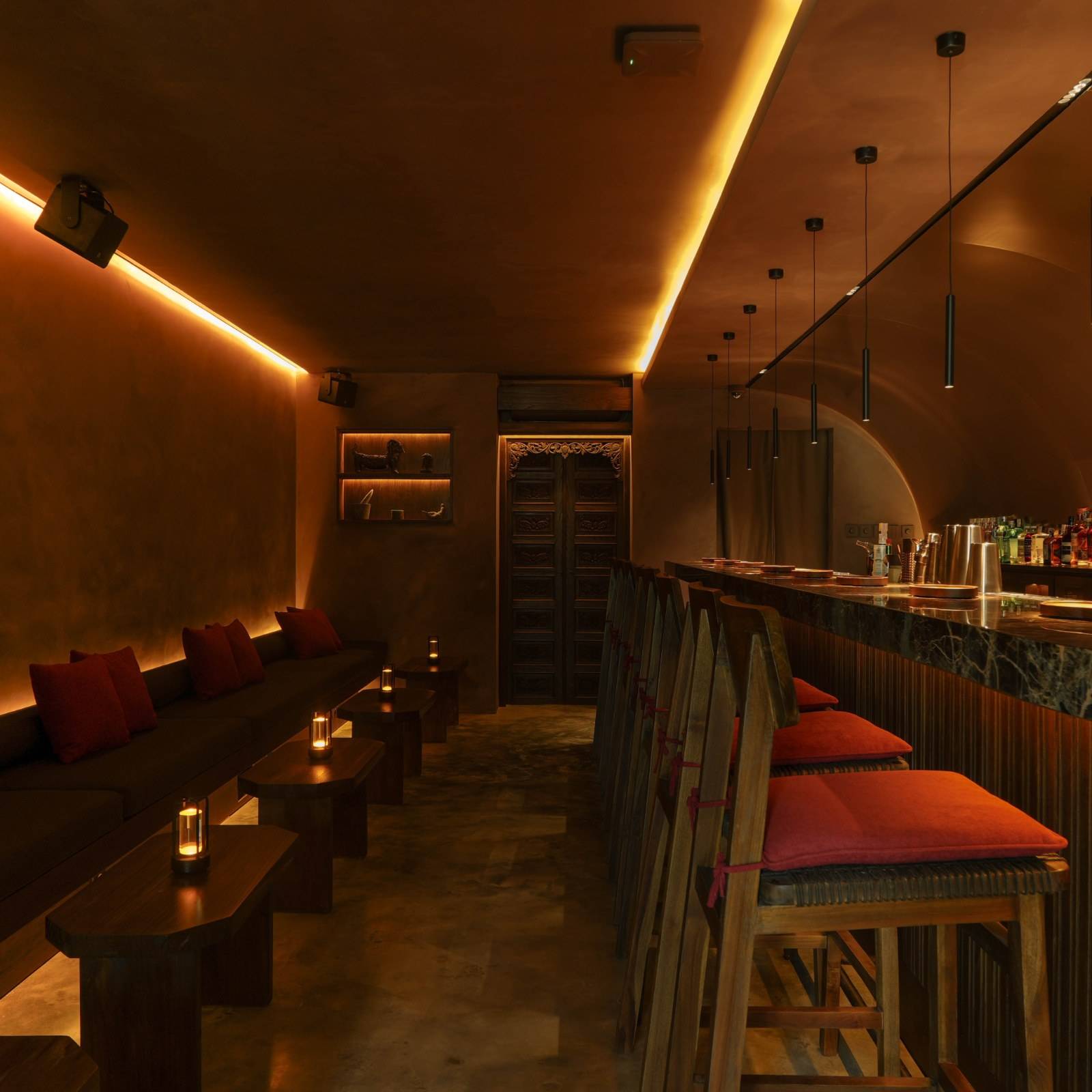
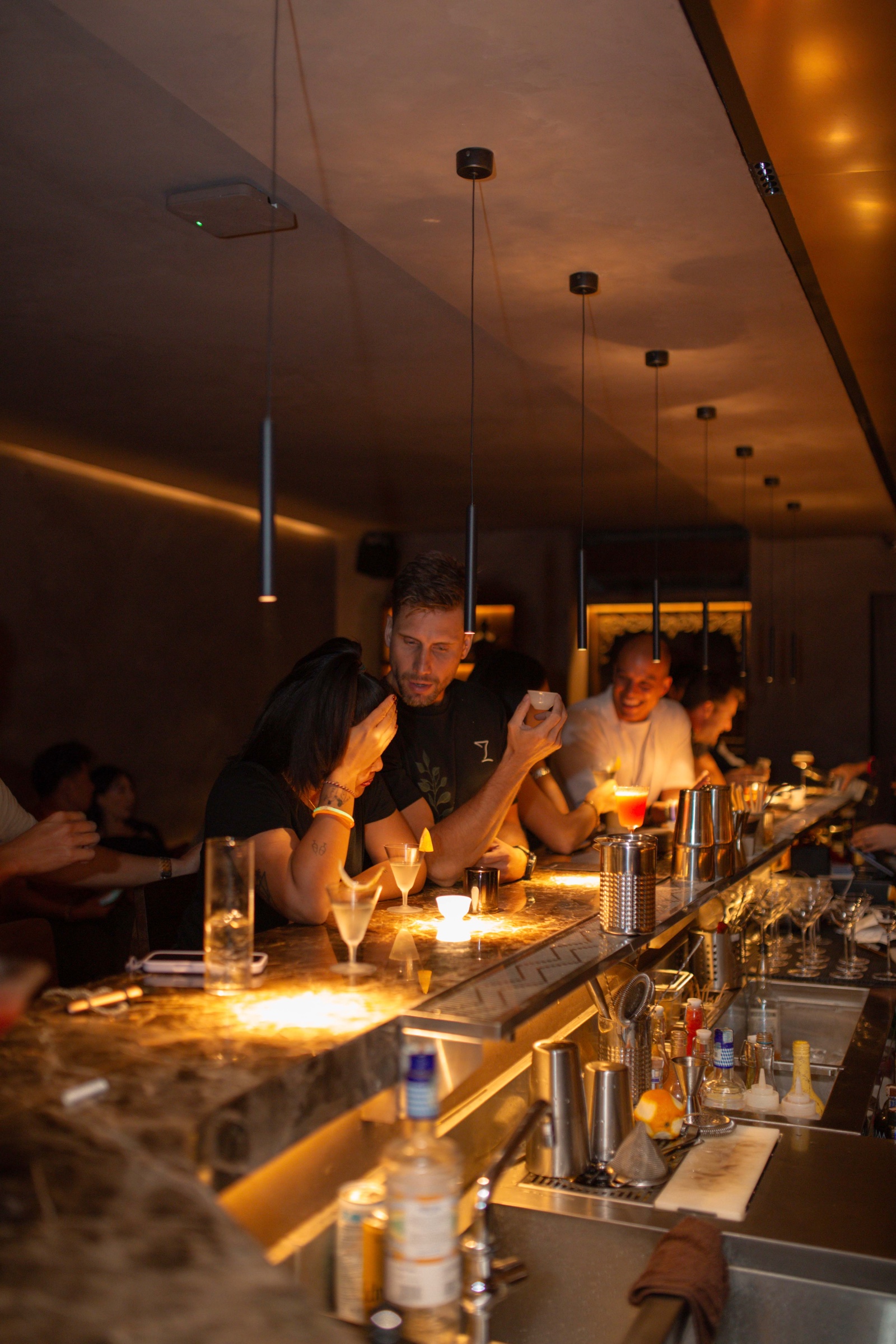
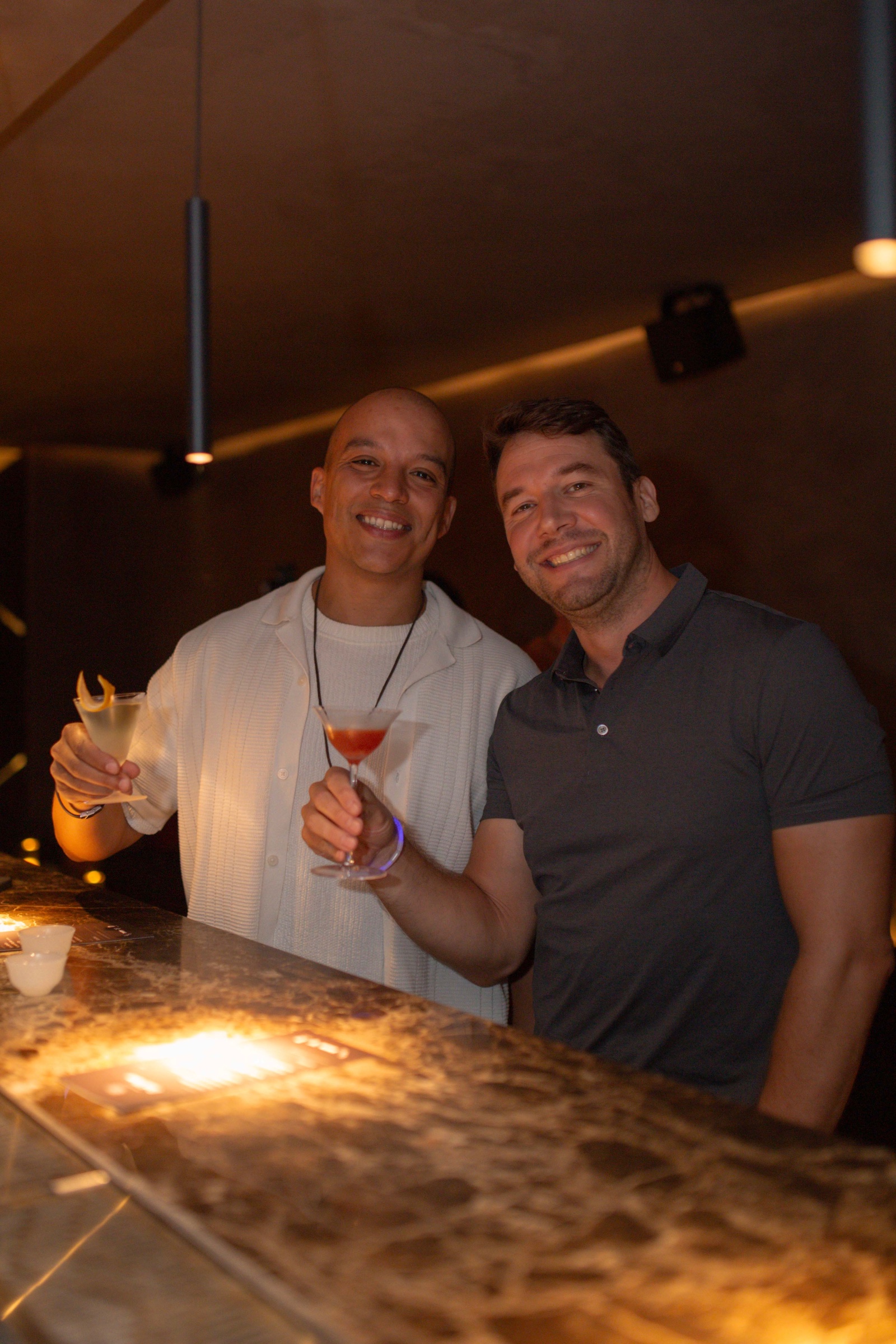
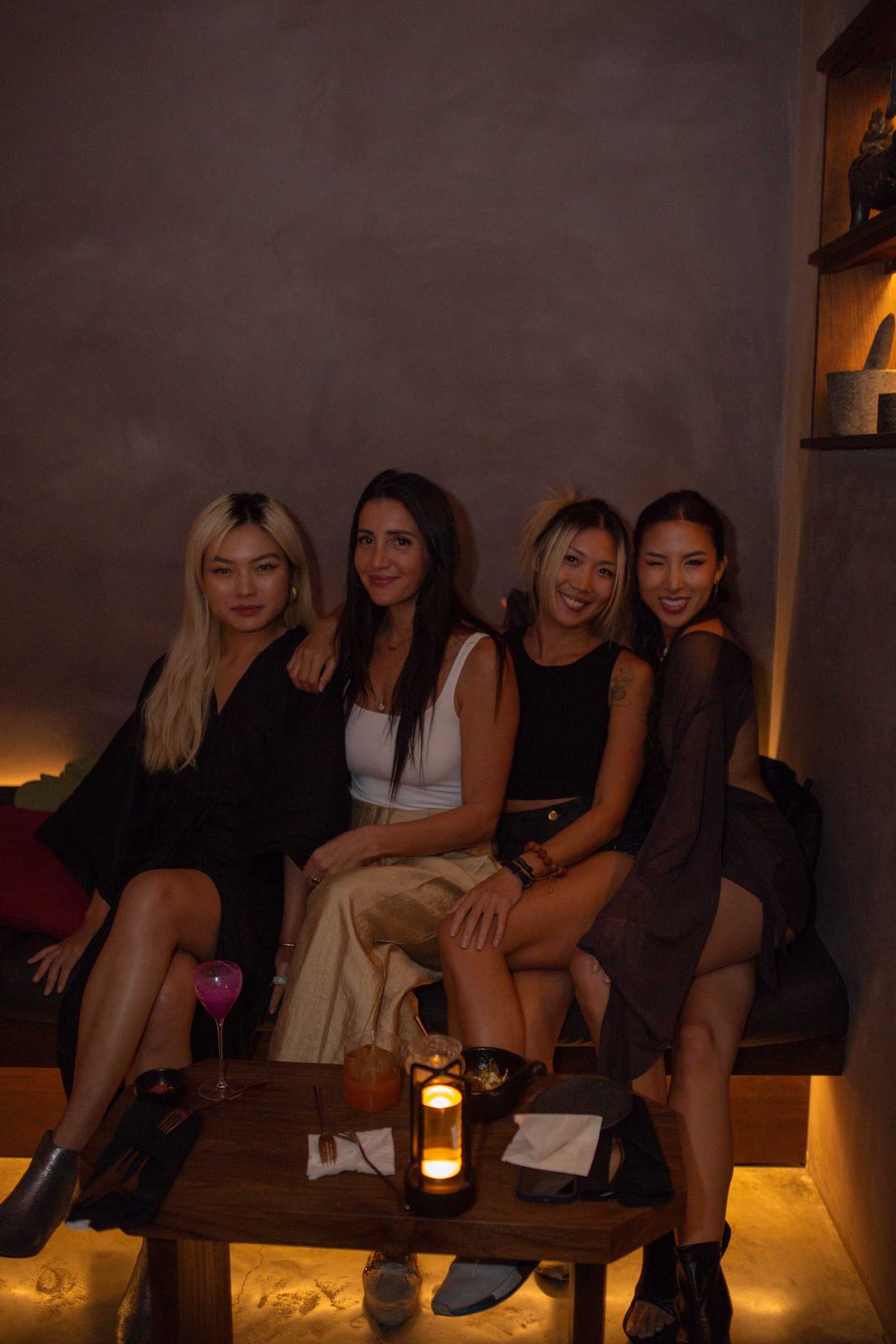
The room is small, dark and industrial in places, softened by Indonesian references and traditional details. Metal and marble sit under low amber light. The bar runs almost the length of the room, close enough that a solo guest can become part of a conversation without making much effort.
The person behind it is Vivienne, who is similarly difficult to reduce to one idea. She is energetic almost immediately, the kind of host who can make a conversation feel twenty minutes old within the first two. Ask about somebody else and she is animated. Ask her to introduce herself on camera and, suddenly, the confidence disappears.
It took several attempts.
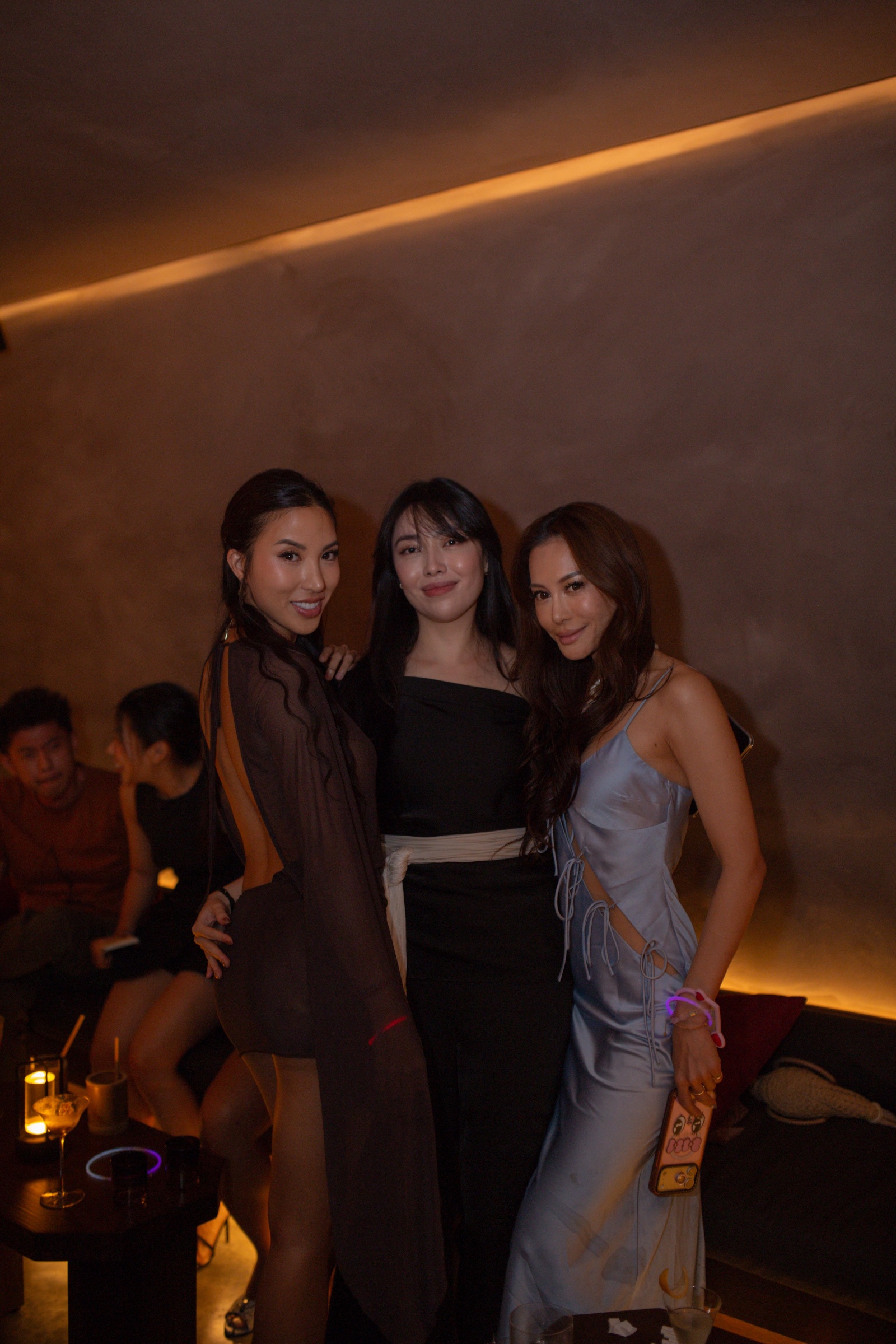
“I've never introduced myself,” she laughed during the interview, before eventually settling on: “My name is Vivienne and I am the creative mind behind Bar Rasa.”
That combination of boldness and shyness makes more sense once she starts explaining how the place came about.
She was supposed to open a restaurant in Taipei
Bar Rasa is Vivienne's first hospitality project.
The original plan was not Bali. She had been considering opening a restaurant in Taipei until a friend who owned a Michelin-recognised restaurant gave her fairly direct advice: don't do it alone.
Then an opportunity appeared in Bali. Vivienne took it, moved with a suitcase and started building the first venue she had ever run.
Bali itself was not completely new to her. Her first trip had been during Covid, when she spent time in Ubud. A driver noticed how interested she was in Balinese philosophy, culture and spirituality and began taking her beyond the usual visitor itinerary: rivers, waterfalls, places of prayer and purification.
The experience stayed with her. What bothered her later was how many friends came to Bali and experienced almost none of it.
“A lot of people come to Bali and they only get to enjoy the party side and the beach club, which I also love, but I feel like the beauty of Bali is way more than that.”
The ambition behind Bar Rasa became surprisingly simple: someone might arrive for a drink and leave knowing one or two things about the island.
That is a much more interesting starting point than another bar calling itself “locally inspired”.
Six tastes came first
The menu is organised around six tastes: Madhura, Amla, Lavana, Tikta, Katu and Kashaya. Each section pushes one taste forward without allowing it to completely take over the drink.
Vivienne built the framework, then worked with her friend Mars from Taipei's To Infinity & Beyond on the recipes. Her process generally started with an idea rather than a spirit.
She would give Mars a taste, a Balinese ritual or philosophy and a feeling she wanted the drink to communicate. Mars would then translate that brief into something you could actually consume.
Omed Omedan is a good example. Vivienne placed it in the sweet section, connected sweetness with love and human connection, then used the kissing ritual in Sesetan as the cultural reference. Her creative direction was essentially pink, fruity, sweet and connected to that story.
Mars built the drink from there.
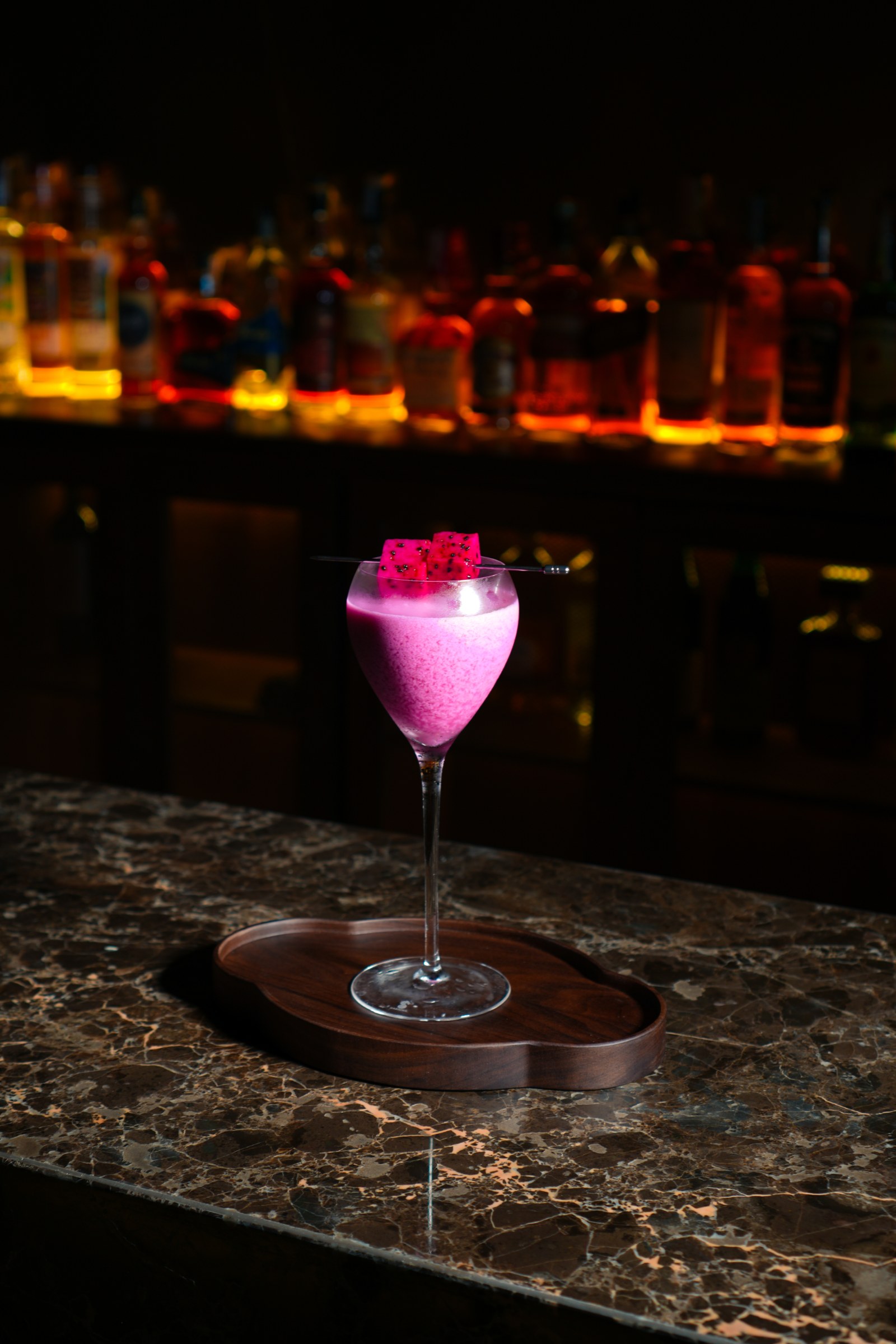
That order matters. The menu does not read like a collection of existing cocktails that were later given Balinese names. Most of the time, the story was there first.
Hot coffee, cold coconut
Vivienne's favourite Balinese philosophy is Rwa Bhineda, the idea of two opposing forces existing together.
So she asked for a drink that would physically behave that way.
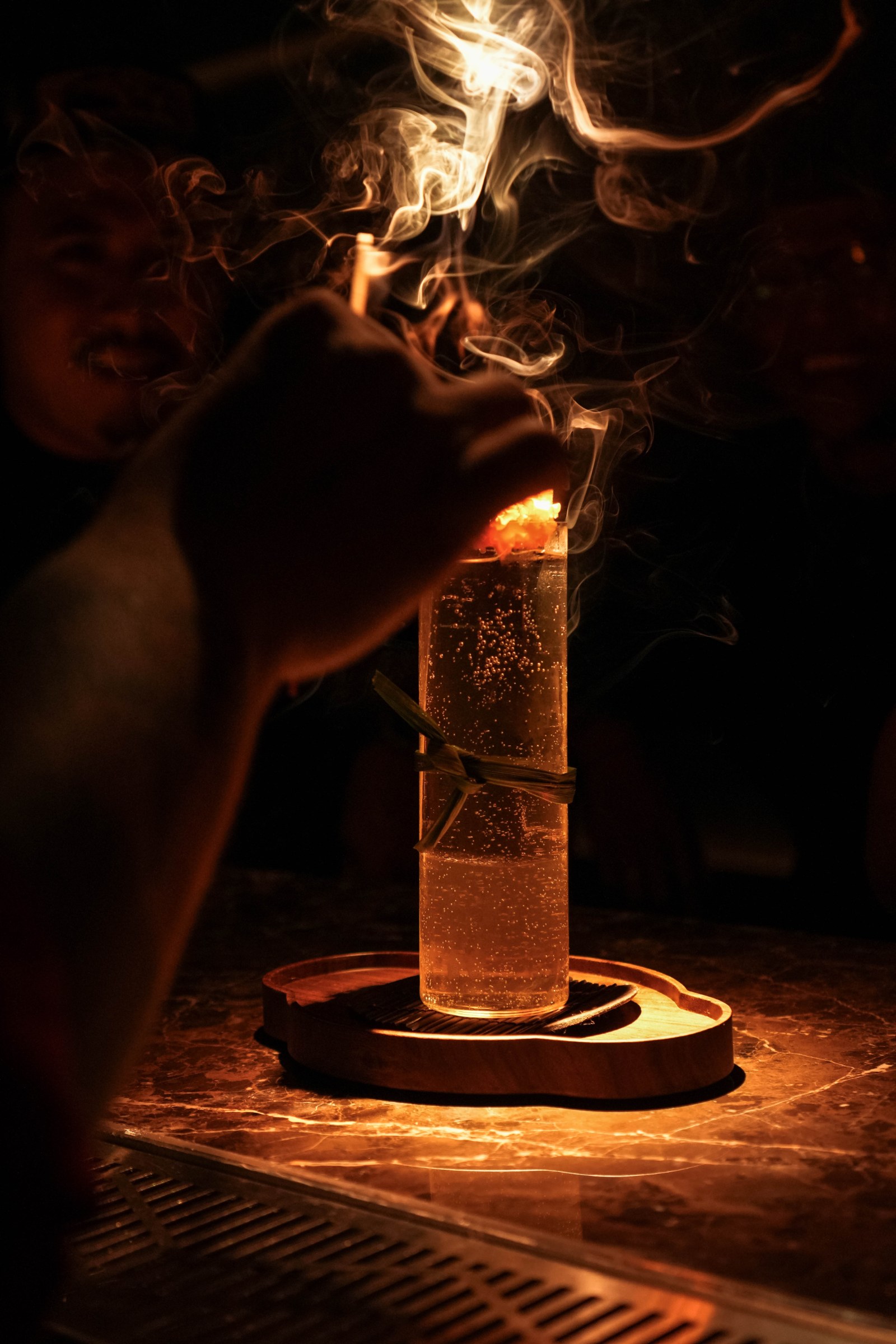
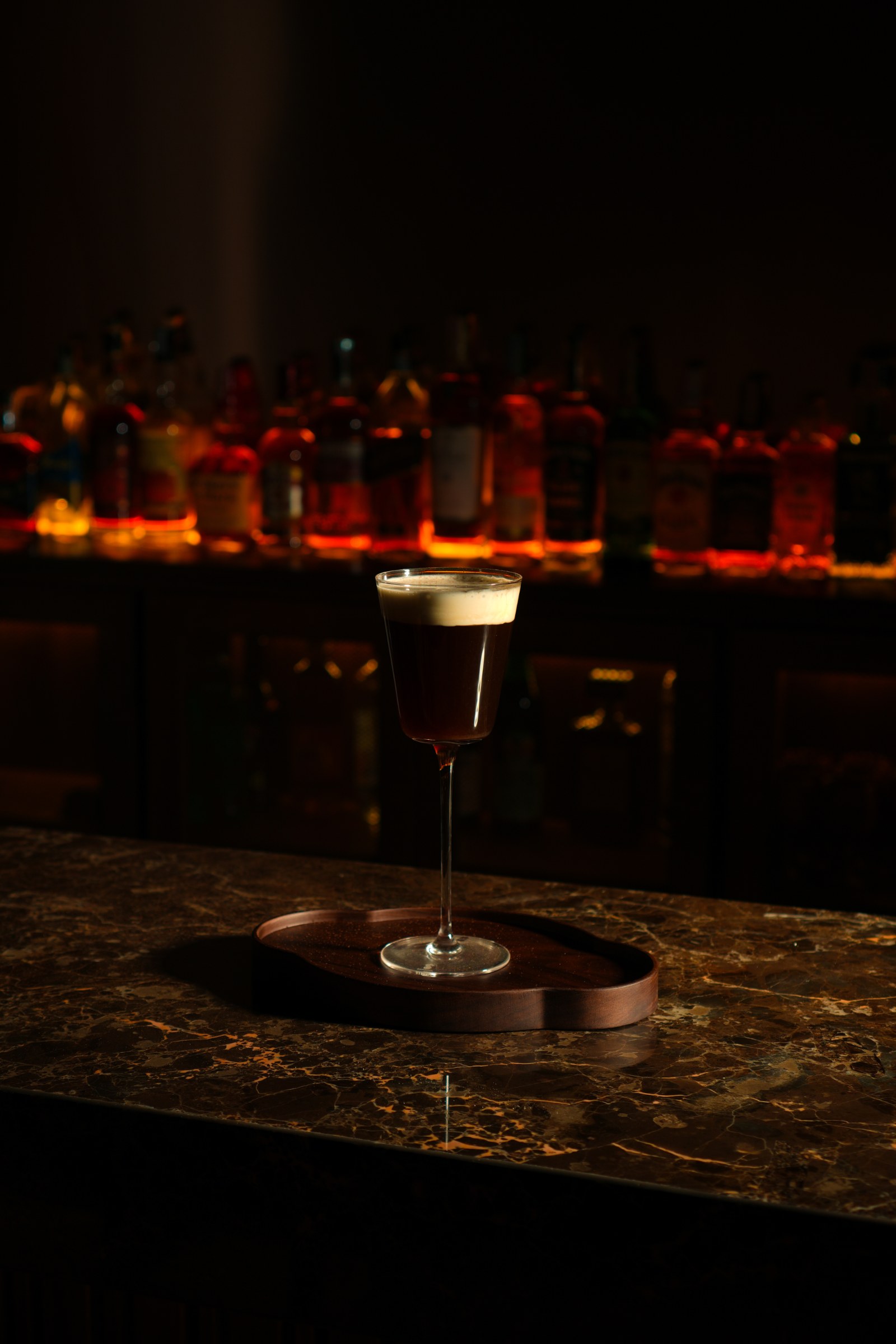
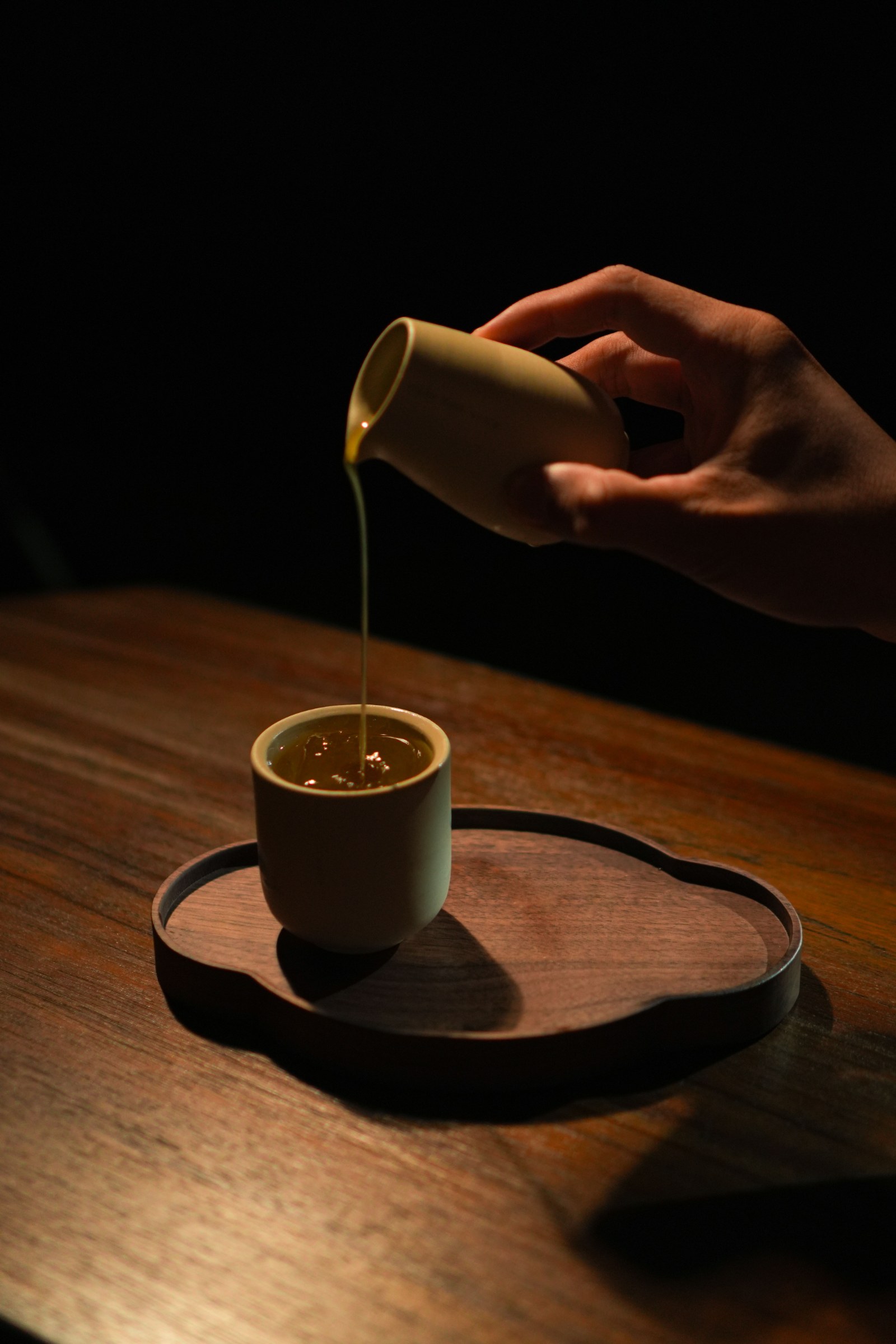
The base is hot Balinese coffee. Above it sits cold coconut cream foam. One side dark, the other light; hot against cold. Black and white. Opposition in the same glass.
She sees the same tension in the room, where contemporary surfaces sit next to traditional Indonesian details. Then she makes the connection more personal.
“I'm very traditional in my roots, but I'm open in every other way.”
That sentence probably explains Bar Rasa better than most brand language ever could.
The room, the drinks and Vivienne herself are all playing with the same idea: tradition without treating it as something frozen.
Then there is the sambal cocktail
The drink Vivienne orders for herself is easier to explain and considerably stranger to drink.
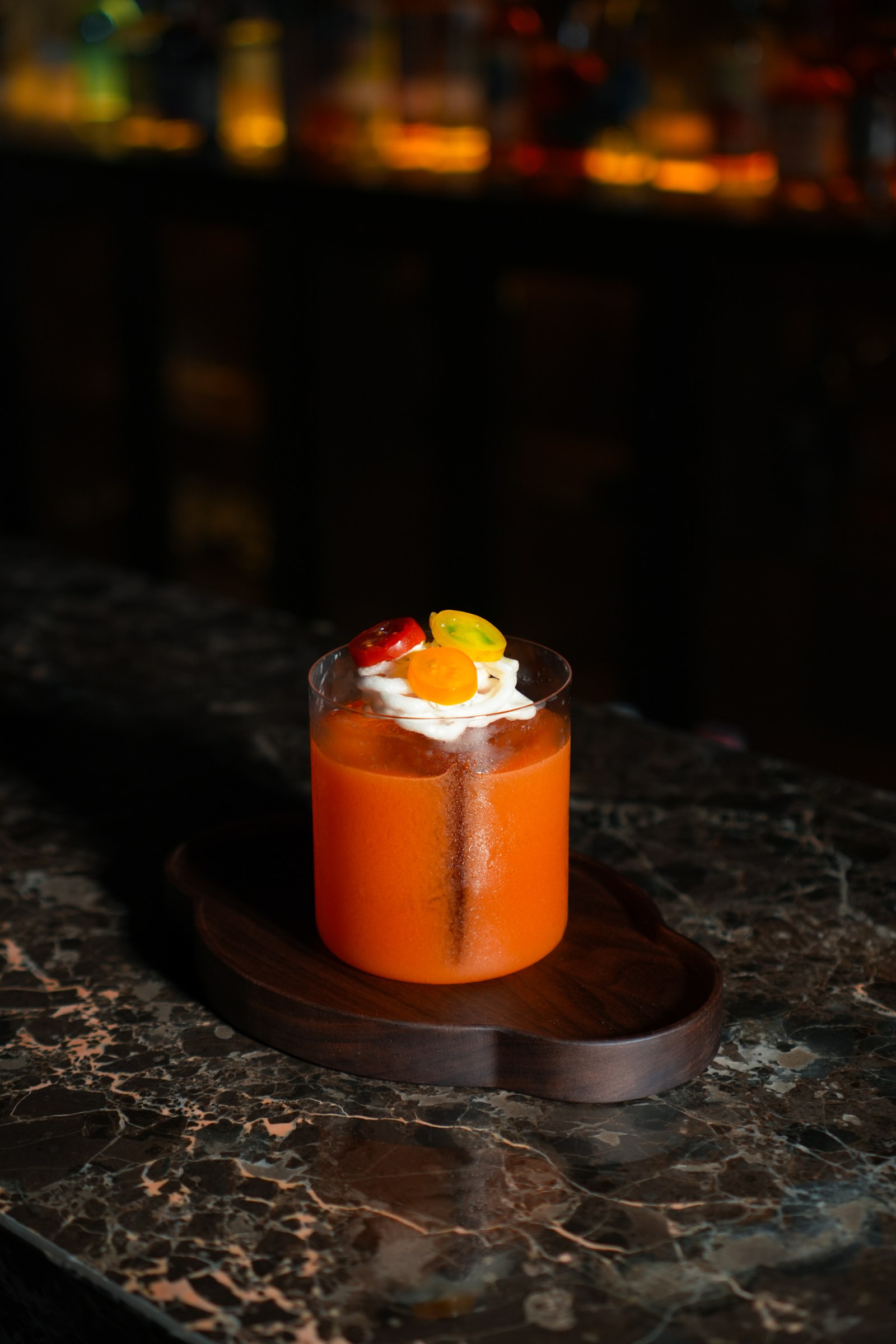
It starts with the skeleton of a Bloody Mary, but instead of relying only on tomato, Bar Rasa adds freshly squeezed carrot and mango to make the base rounder and more layered. The heat comes from house-made sambal.
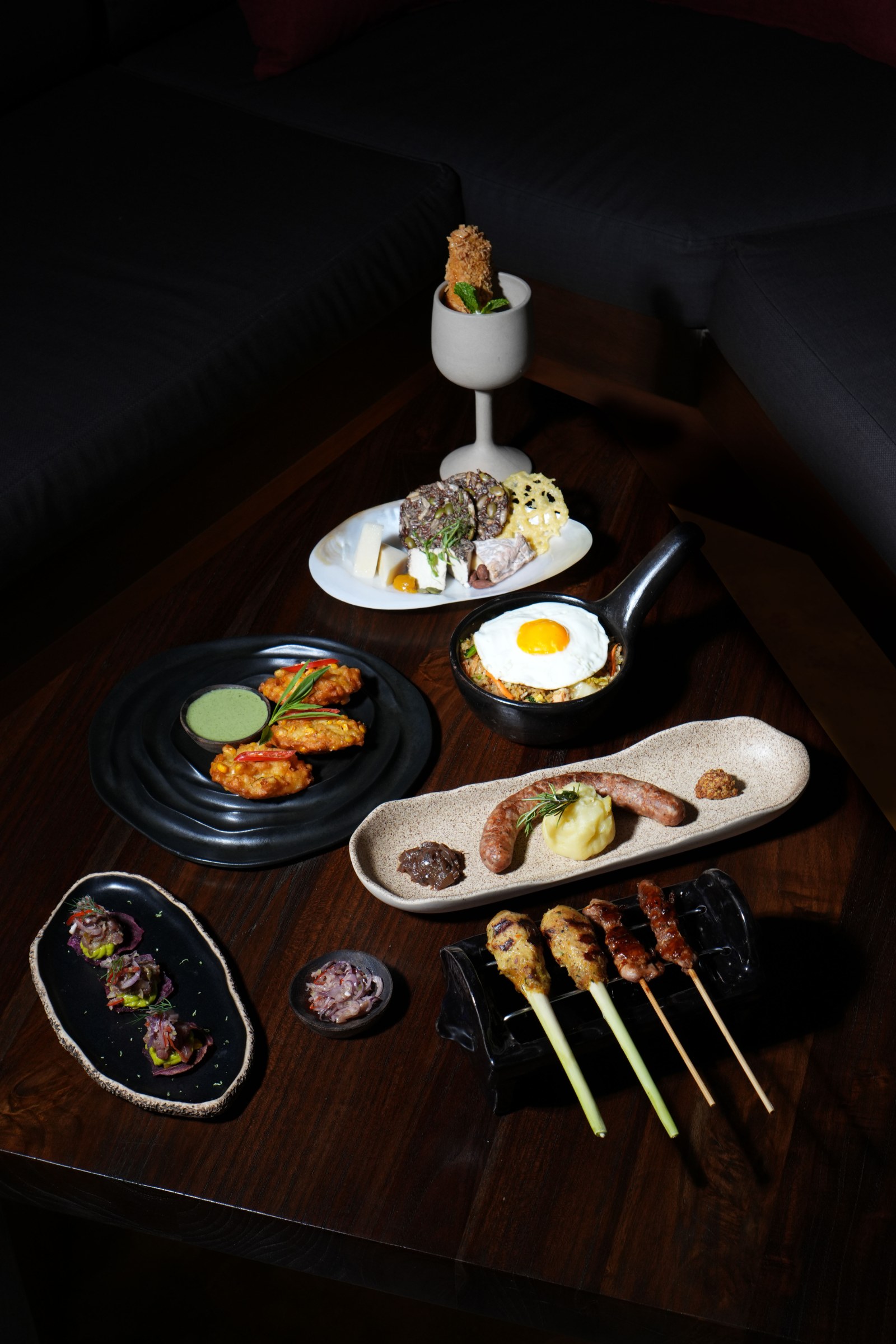
On top sits kerupuk with garlic cream cheese and cherry tomato. The instruction is to sip, bite, then repeat.
Vivienne calls it a hangover drink.
It sounds like an idea that could go badly wrong until it arrives. Then it makes complete sense. The sambal cuts through the sweetness, the vegetables keep it savoury and the cracker turns what could have been novelty into a small drinking ritual.
When asked whether some of the menu gets too experimental, Vivienne answers without much hesitation.
“The wild is good. Being wild is good.”
She has a point. You can get a margarita almost anywhere in Seminyak.
Bar Rasa can make you one too, and Vivienne is adamant that a serious bar still needs to get the classics right. But those are not the drinks she is proudest of.
The signatures are where the personality gets to show.
Bintang, parmesan and salt water
Which brings us to Nyegara Gunung.
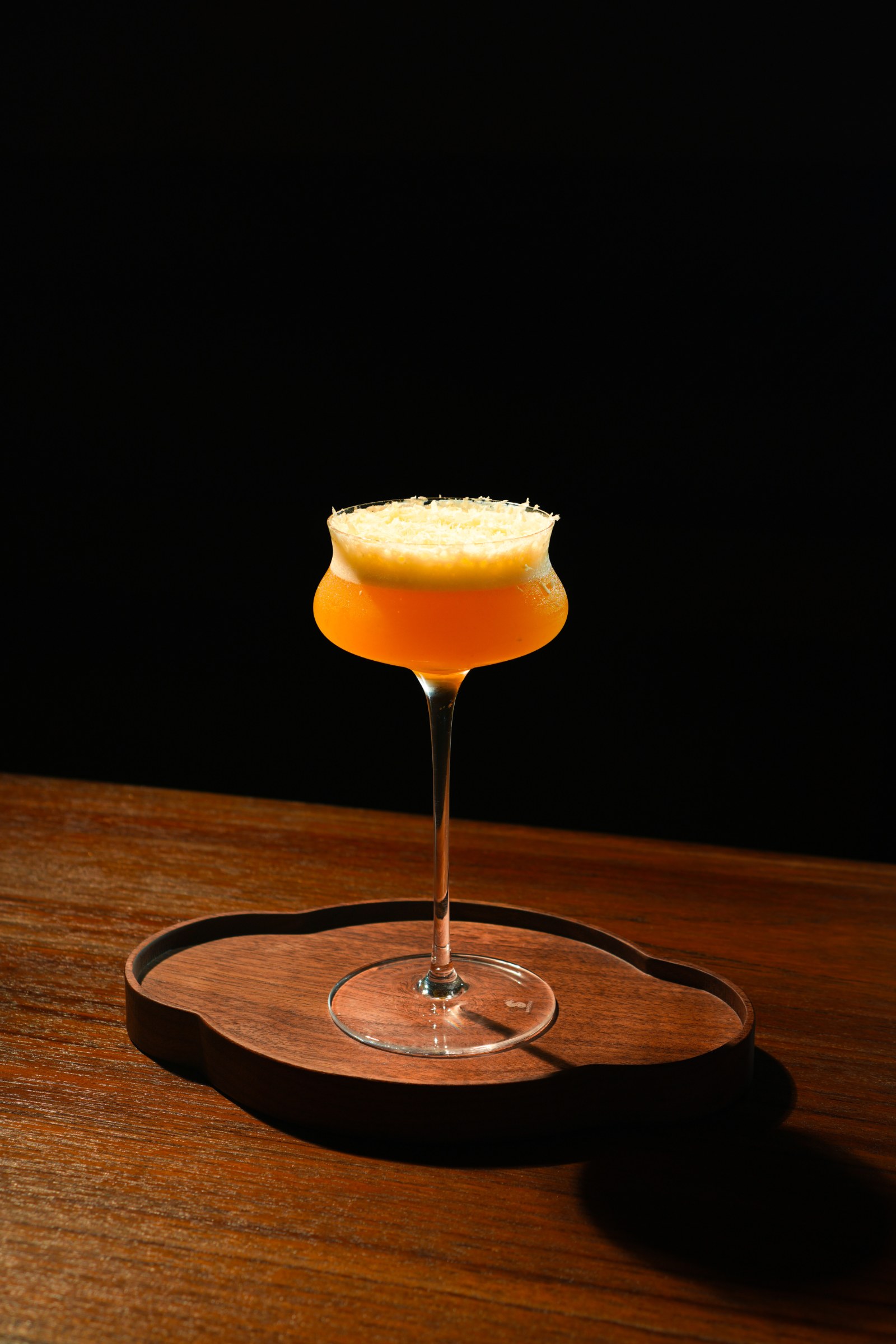
It contains Bintang beer, parmesan and salt water.
This is the sort of sentence that naturally creates a second question.
Why?
Vivienne's answer starts with the name. Nyegara represents the ocean, hence the salt water. Gunung is the mountain, represented through lemongrass. Parmesan brings umami.
It is deliberately one of the strangest drinks on the menu and, unsurprisingly, the one people ask about most.
Vivienne's preferred way of explaining it is not to explain it at all until someone has tried it.
Build it. Put it down. Watch their face.
Then talk.
Curiosity first, explanation second.
The cocktail where the cup came first
One creation story started not with a taste, philosophy or ingredient, but with a cup.
Vivienne was eating at Locavore NXT when she saw a ceramic vessel made entirely from waste material. She wanted it.
Then came the obvious question: if the cup could be made from waste, why couldn't the drink inside follow the same logic?
So, unusually, the glassware existed before the cocktail.
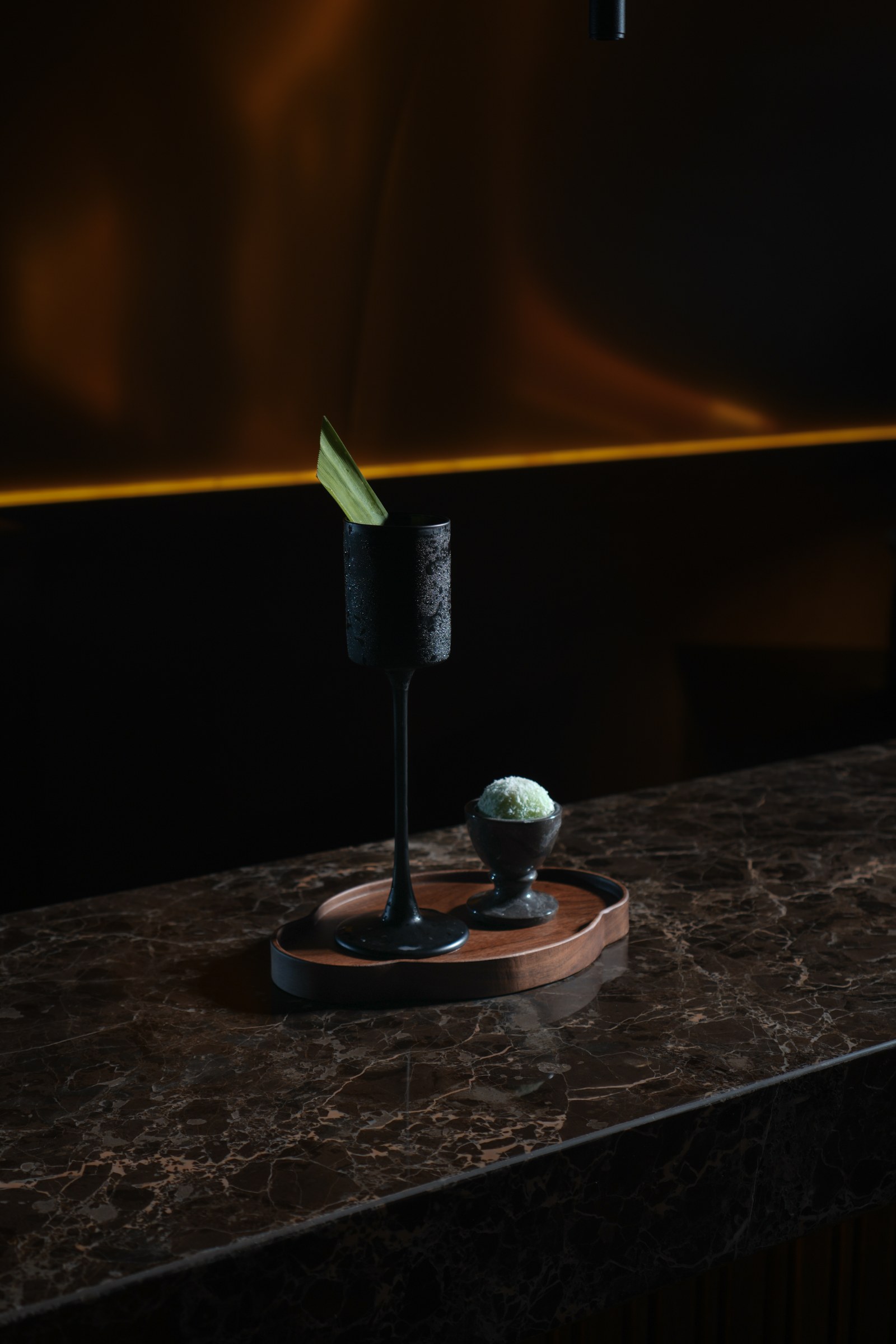
The resulting zero-waste concept drink uses ingredients that might otherwise disappear into the bin, including watermelon rind from another drink and fermented pineapple peel.
It is a small anecdote, but it says a lot about how Vivienne approaches the place. Not everything begins with a commercial brief. Sometimes she buys a cup and works backwards.
The logo happened in much the same spirit.
During the design process she was left choosing between two versions. She knew which one would work better on a wall, on signage and in print, but could not bring herself to bin the other.
So she walked into the tattoo shop next door.
One logo went on Bar Rasa.
The other went on Vivienne.
It became her first tattoo before the bar had even opened.
That may be the least corporate branding decision in Bali.
Running a bar while barely drinking
There is another contradiction underneath the whole project.
Vivienne runs a bar and now drinks very little.
Alcohol had once been a significant part of her social life, but something shifted just before Bar Rasa opened. After the menu tastings were finished, living in Bali made her want to drink less rather than more.
So she started asking whether she could work in a bar without drinking through service.
The answer has been yes.
It also changed the way she thinks about the room. Bar Rasa gives non-alcoholic drinks their own attention rather than treating them as the consolation prize for whoever is driving.
Vivienne talks less about abstinence than presence.
“If you're very drunk, you're not able to be fully present.”
That matters because, for her, the actual product is hospitality.
The bar where solo travellers stay
Spend time with Vivienne and it becomes obvious that she likes people at least as much as she likes making concepts.
Bar Rasa gets plenty of solo travellers, something the intimacy of the room encourages. They arrive alone, sit at the bar and start talking.
Sometimes those relationships leave the building.
Vivienne arrived in Bali knowing almost nobody. Through the bar, customers became friends. They went diving together. They explored the island. Her social and professional lives started bleeding into each other.
“Human connection is beautiful.”
She talks about meeting somebody from Slovakia one day, Japan or Korea the next. A customer might leave knowing something about Bali from her; she leaves the conversation knowing something about AI, sustainability, design or whatever strange profession has walked through the door that night.
That exchange is probably why the room feels personal.
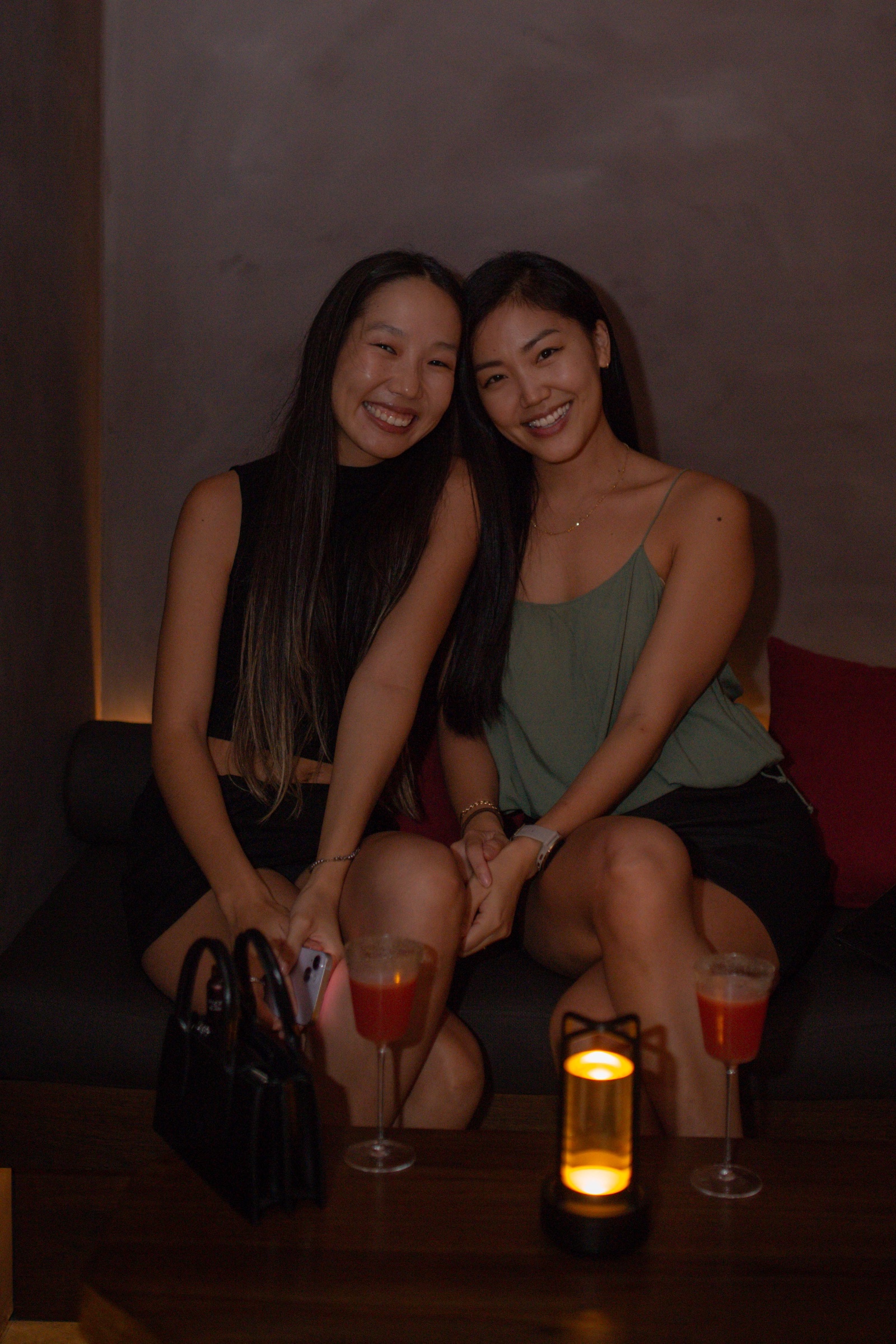
It isn't hospitality as choreography. It is curiosity moving in both directions.
What hospitality means when nobody taught you
Vivienne has no long CV of hotel schools and famous bars behind her.
This is her first venue.
When asked what hospitality actually means, she reaches backwards rather than towards industry language. She says she has always been unusually observant of people, able to notice what somebody might need before they ask.
Bar Rasa finally gave that instinct somewhere to go.
There is, she admits, a line between people-pleasing and simply making someone's day better. What interests her is the latter: small interactions that leave somebody slightly happier than they were before.
It explains why she seems far more comfortable asking a guest about themselves than talking about Vivienne.
It also explains why Bar Rasa feels less like a cocktail laboratory than its menu might suggest.
The drinks can be complicated.
The hospitality isn't.
Happiness, very simple
Vivienne gives a much simpler answer when asked what she ultimately wants somebody to feel when they leave.
First, the drink has to taste good. Nothing else matters if that part fails.
Then she wants the experience to feel intimate and personal. She wants someone travelling alone to be comfortable walking in. She wants to share something about Bali with them, hear something about their world in return and send them back outside in a better mood.
Her answer eventually collapses into two words:
“Happiness. Very simple.”
It is an uncomplicated ambition for a bar serving hot coffee under cold coconut foam and putting parmesan into Bintang.
But perhaps that is exactly the point.
Bar Rasa is full of concepts, contrasts and ideas, but Vivienne does not particularly want guests leaving impressed by how clever any of it is. She wants them to have tasted something they have not tasted before, learned something they did not know before and perhaps met someone they would not otherwise have met.
Then, ideally, come back.
Frequently asked questions
What is Bar Rasa?
Bar Rasa is an intimate cocktail bar in Petitenget, Seminyak, built around six tastes and cocktails inspired by Balinese ingredients, rituals and philosophy.
Where is Bar Rasa?
Bar Rasa is in Petitenget, Seminyak, Bali. It has its own entrance and is open to the public.
What are Bar Rasa's opening hours?
Bar Rasa is currently open Wednesday to Sunday from 6pm until 1am.
What should I order at Bar Rasa?
For a first visit, start with one of the signatures rather than a familiar classic. The Sambal cocktail and Rwa Bhineda are strong introductions to the menu, while Nyegara Gunung is the one to order if you want the strangest conversation starter.
Does Bar Rasa have non-alcoholic drinks?
Yes. Non-alcoholic drinks receive their own attention on the menu rather than being treated as substitutions for the alcoholic cocktails.
Is Bar Rasa good for solo travellers?
Yes. The small room and long bar make it particularly easy to visit alone, and Vivienne says solo travellers are a regular part of the crowd.
Is Bar Rasa a speakeasy?
Bar Rasa describes itself as an intimate hidden cocktail bar. It is tucked away and deliberately low-key, but it is not designed around making guests solve a puzzle to get inside.
Bar Rasa
Petitenget, Seminyak
Hidden cocktail bar
Wednesday–Sunday · 6pm–1am
Go for: signatures rather than defaulting to classics
Try: Sambal, Rwa Bhineda and Nyegara Gunung
Good for: solo drinks, dates and people who actually want to talk to the bartender
Stay for: the conversation
Share this story