
Gangnam
counters to try
Updated 17 November 2026
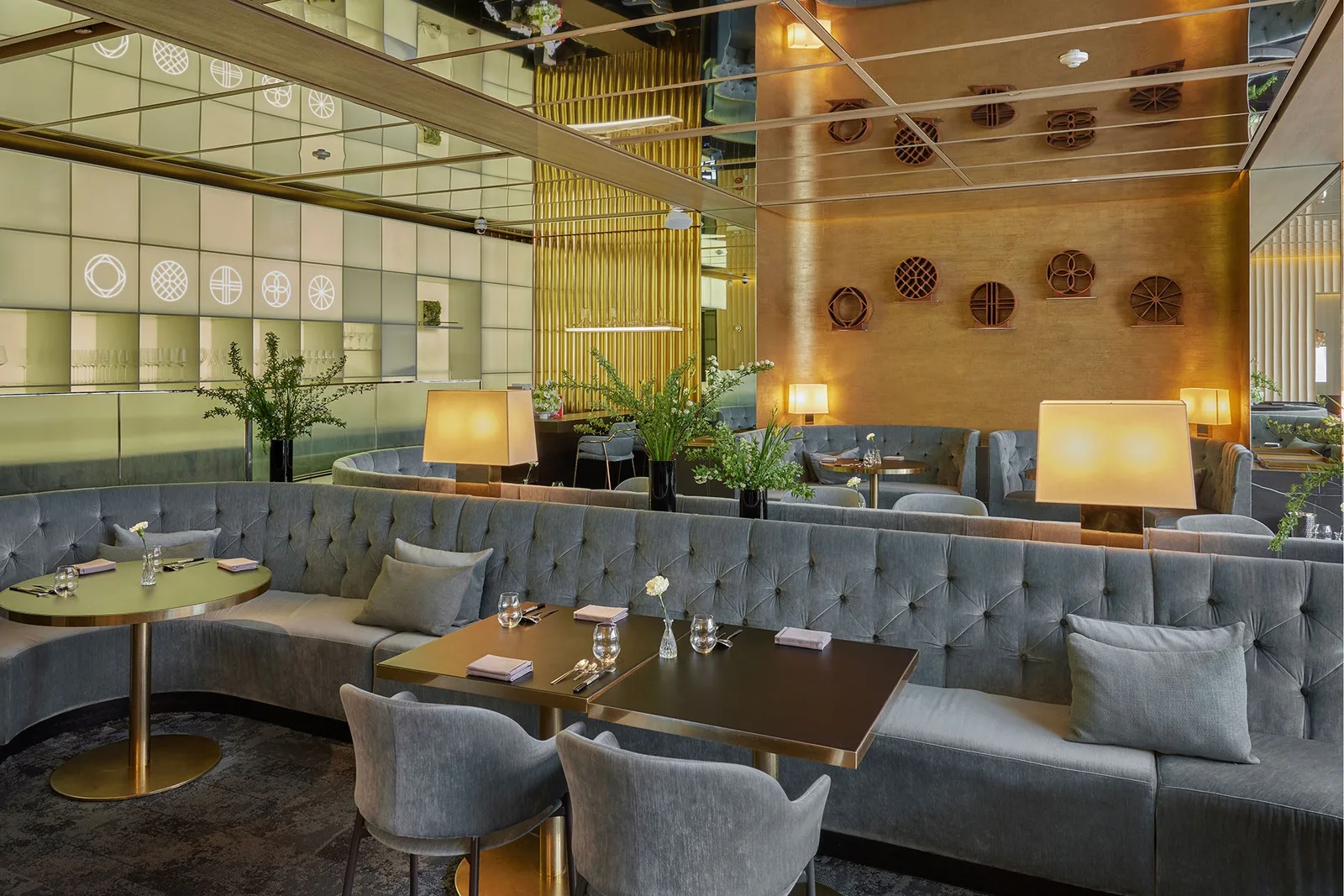
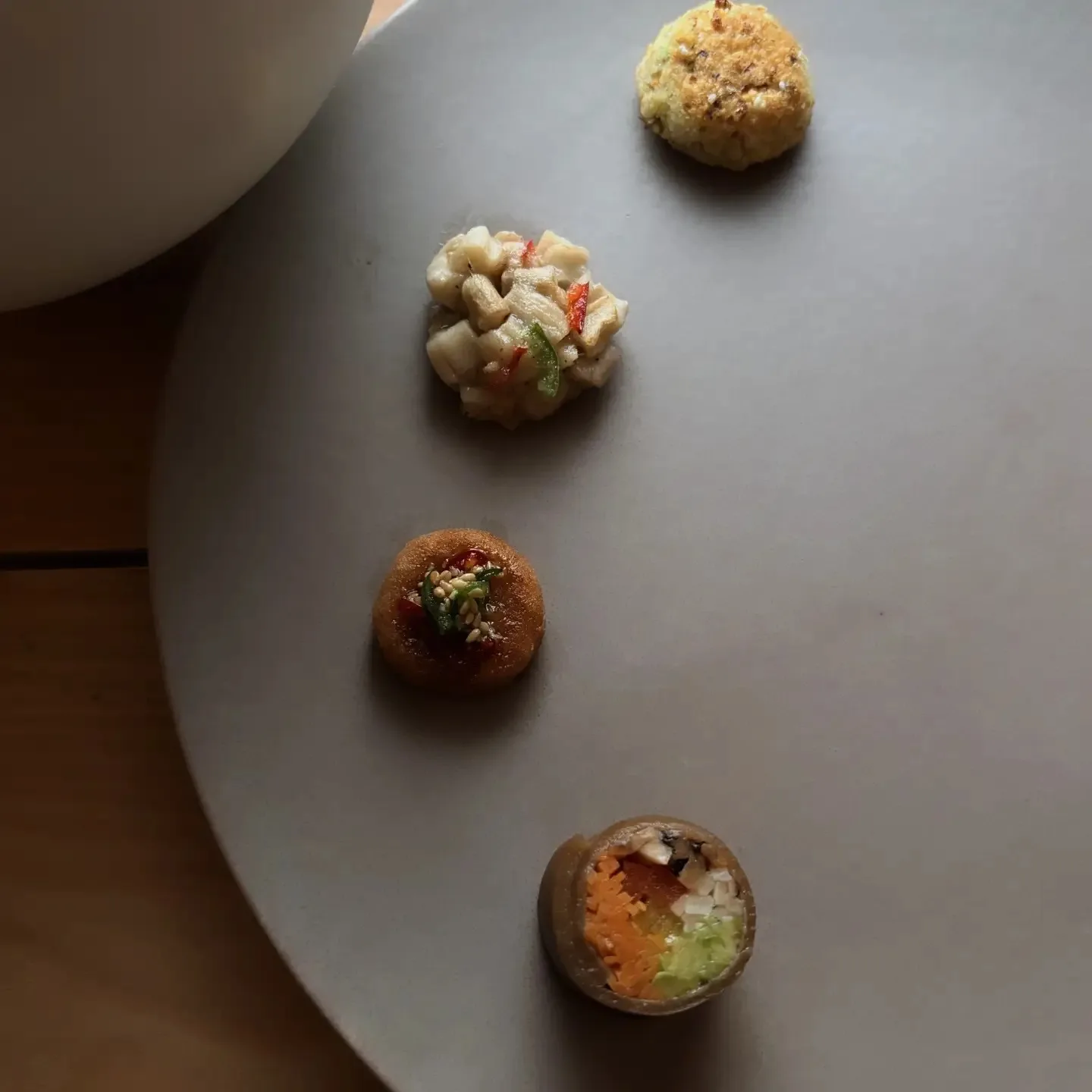
South of the Han, the conversation about Korean food changes register. Gangnam is where many of Seoul's chefs took the country's ferments, grains and banchan and turned them into tasting menus, and where many of the city's chef counters and tasting rooms sit, clustered in the side streets of Cheongdam, Sinsa and Apgujeong. These are six Gangnam counters and tasting rooms to try, from modern Korean to Japanese kaiseki and a plant based menu with temple roots. Checked on 17 November 2026 against each restaurant's own site or Instagram, published guides and Korean press.
Mingles: the ferments, front and centre
Mingles is chef Mingoo Kang's Cheongdam dining room, warm toned and quietly minimal, with contemporary art on the walls and windows that frame calm green views. The second floor room looks out over a terrace lined with onggi, the earthenware jars used for ferments. The cooking weaves Korean culinary philosophy into a modern tasting format, building layered flavour from seasonal ingredients rather than showing off. Korean ferments are the thread. The long simmered Mingling Pot gets its depth from dried seafood, vegetables and fruit, and the Jang Trio is a French inspired dessert that reinterprets doenjang, ganjang and gochujang. Abalone baechu-seon and fish mandu show the balance between tradition and the present day.
Jungsik: where new Korean started
Jungsik is chef Yim Jung-sik's Seoul flagship, and between it and his New York restaurant he is credited with introducing Korean cuisine to the world with a style of his own. The trick is to start with the familiar, gimbap or bibimbap, and arrive somewhere new that still tastes rooted. One course takes bibim guksu as its cue and turns it into gamtae noodles with basil and a radish kimchi broth. The set menu opens with banchan and moves through primary ingredients from abalone to duck, with supplementary courses if you want to go further. There is an extensive wine list, and the suggested pairings are well judged.
Evett: foraged, fermented, reimagined
At Evett in Dosan, Australian chef Joseph Lidgerwood forages, makes traditional meju by hand and brews his own sauces. His view is that there is no ordinary or overused ingredient, and the signature meju doughnut, filled with cream, anchovy dalgona and black garlic, makes the case. Elsewhere the menu reworks Korean culinary heritage with house made pine needle oil and floral infused medicinal liquor, and the wine list keeps pace. Lunch and dinner both run as set menus. Dinner runs Tuesday to Saturday and lunch on Fridays and Saturdays, and general bookings go through CatchTable only, with larger groups handled by email.
Kwonsooksoo: the doksang table
Kwonsooksoo in Cheongdam sets modern technique against Korean tradition in a minimalist room. The chef brings two decades of experience to the pure, delicate flavours of seasonal Korean ingredients. The meal begins with finely made small bites paired with traditional Korean spirits, then the main course arrives in doksang style, a personal table set for one, before a dessert trolley closes things out. By day natural light fills the room, which makes a daytime meal here a good choice for a business meeting or a quiet catch up.
Mitou: Japanese, from a Korean farm
Mitou is the Japanese room on this list, a chef's table in Cheongdam run by the duo Young-woon Kwon and Bo-mi Kim. The cooking is Japanese built on fresh, seasonal ingredients, and the chicken, eggs, rice and vegetables come from Chef Kwon's family farm. The dishes are restrained and sincere, and regulars wait for the menu to change each season. There is no website. Bookings open by phone on dates announced on the restaurant's own Instagram, so follow it before you plan.
Bium: a thousand years of vegetables
Bium is the plant based answer to the Gangnam tasting menu. In its own words, it serves vegetable Korean food as it was a thousand years ago, researching old home cooking and sourcing ingredients from Jeju, Jirisan and Ulleungdo. The kitchen uses ferments aged from six months to more than five years, and it leaves out osinchae, the five pungent vegetables that include garlic, green onion and leek. The result is a calm meal that leans on depth rather than heat. It is a good one to know if you are booking for a table with mixed diets.
How to book Gangnam
Plan ahead. These rooms run set menus, so book ahead, and at least one opens bookings only on announced dates, so check each restaurant's own site or Instagram first. Cheongdam, Sinsa and Apgujeong sit close together, which makes a counter dinner and a cocktail afterwards an easy pairing; our Seoul bars to try starts in the same streets. For more of the district, from soy marinated crab to cocktail bars, see our Gangnam area page, and for the rest of the city start with where to eat in Seoul.
Places in this guide
- Guide stop 1MinglesMingles in Cheongdam is where chef Kang Mingoo cooks a modern Korean tasting menu built on jang, the soy and soybean pastes he ages for years.GangnamFine DiningNew to voting, be the firstMingles
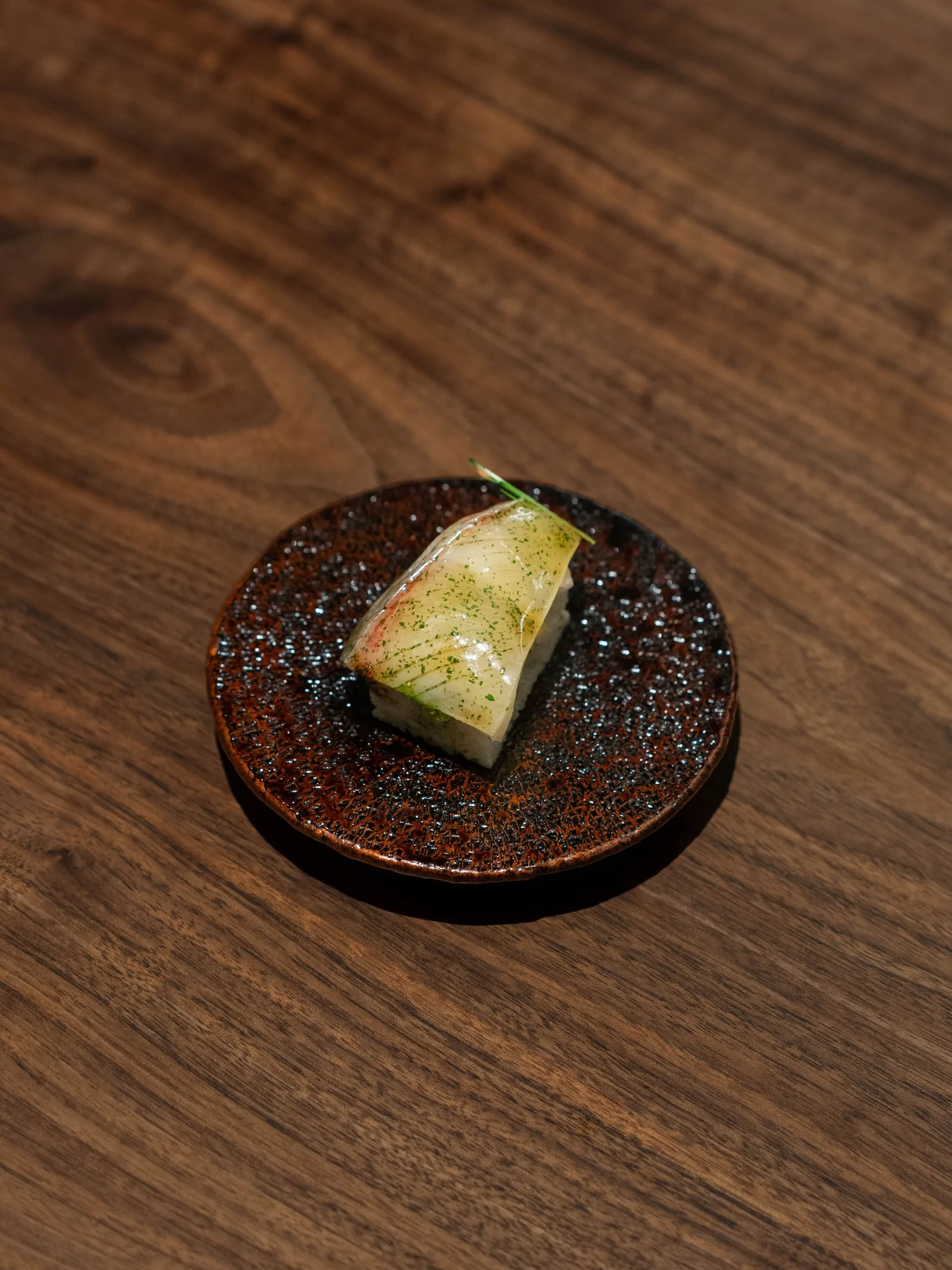
- Guide stop 2JungsikJungsik is chef Yim Jungsik's Seoul flagship, the restaurant that launched the new Korean style he later took to New York.GangnamFine DiningNew to voting, be the firstJungsik
- Guide stop 3EvettEvett in Dosan is led by Australian chef Joseph Lidgerwood, who builds his tasting menu from native Korean ingredients, wild foraged plants and the rice grown for him by a Yeoju farm.$$$$GangnamFine DiningNew to voting, be the firstEvett
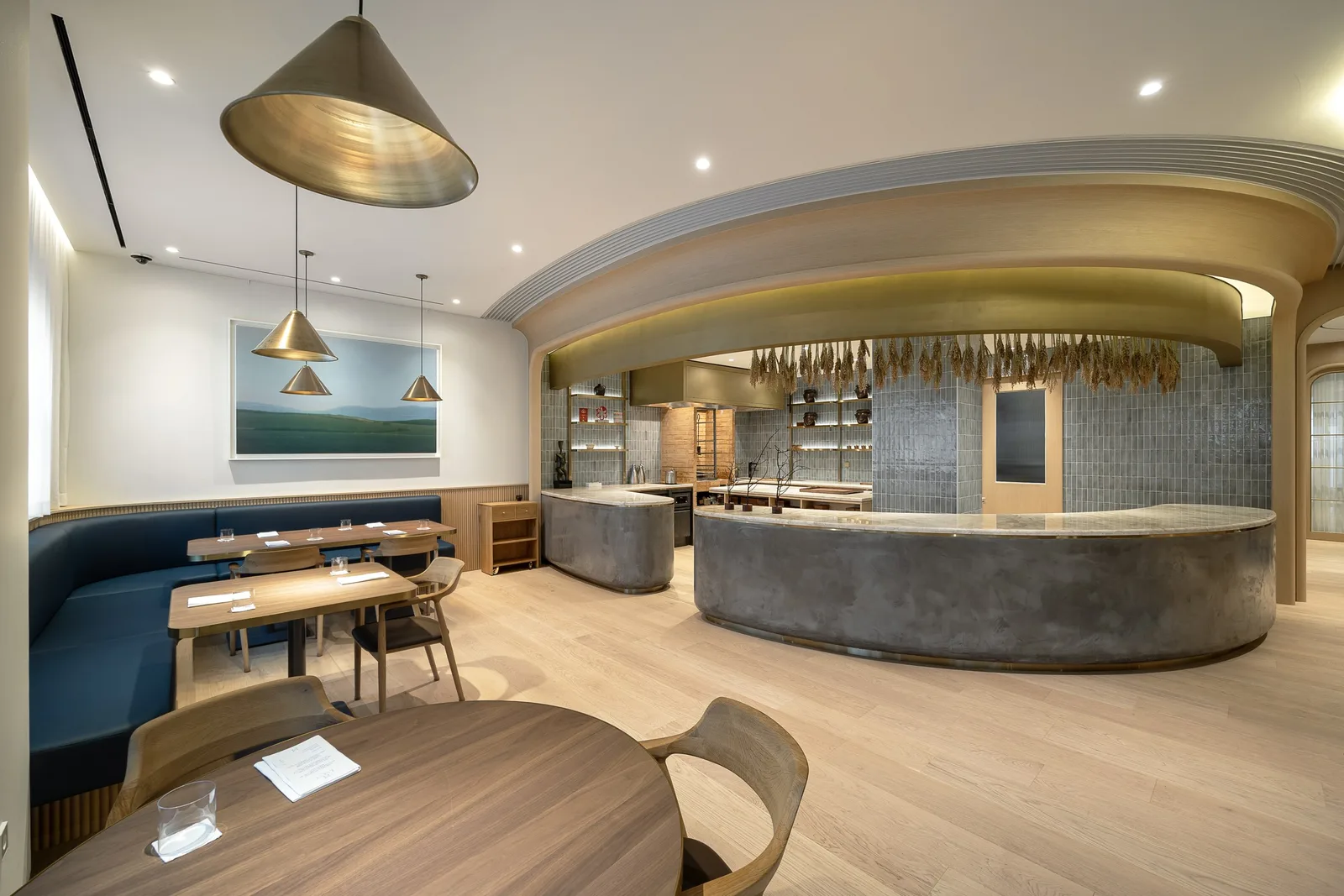
- Guide stop 4KwonsooksooKwonsooksoo is chef Kwon Woojung's Cheongdam restaurant, recreating the old Korean custom of the dokssang, a fine table set for one, with its own jang, kimchi, jeotgal and jangajji.GangnamFine DiningNew to voting, be the firstKwonsooksoo
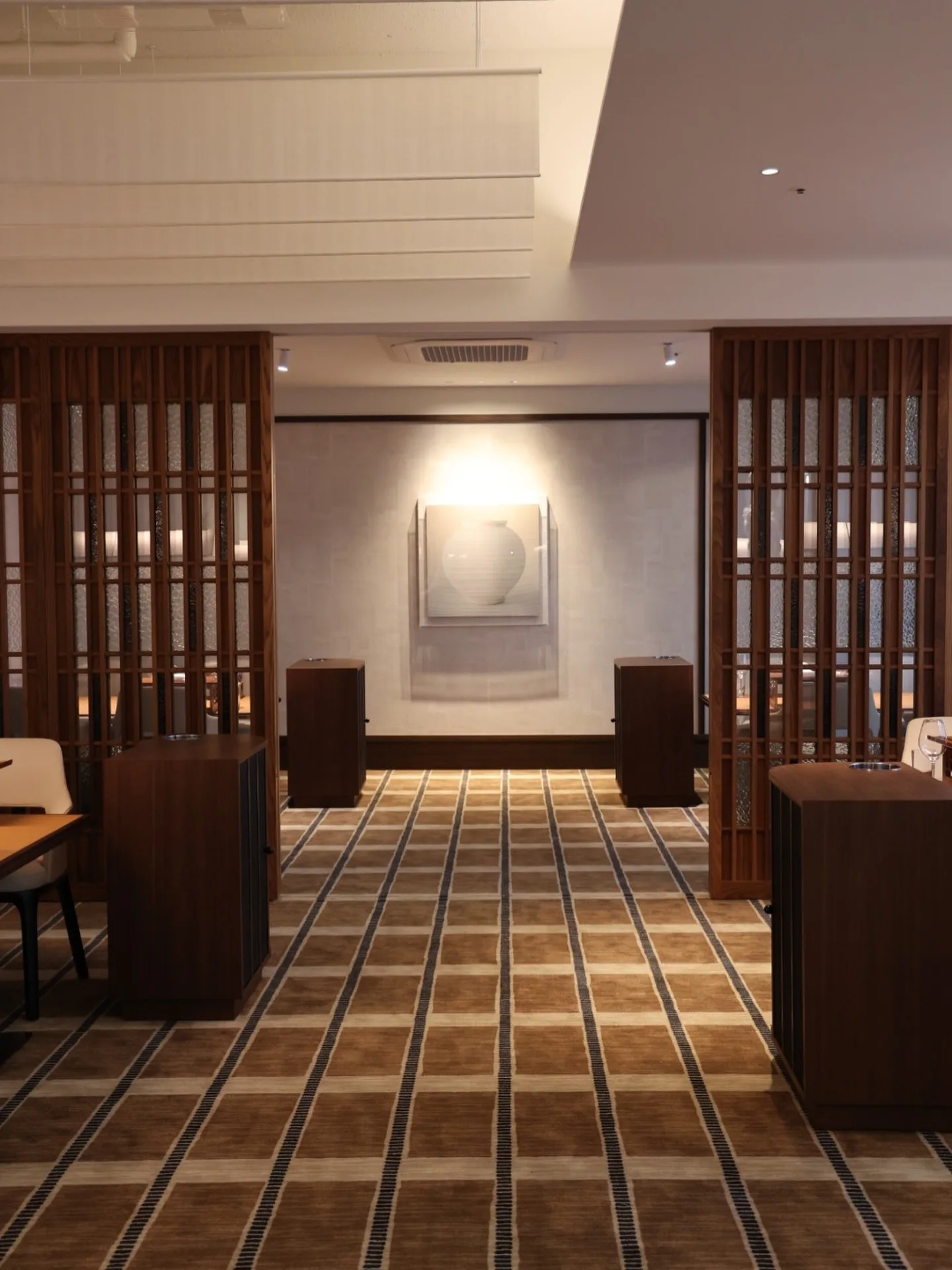
- Guide stop 5MitouMitou is a small Japanese kaiseki restaurant in Cheongdam run by chefs Kwon Youngwoon and Kim Bomi.GangnamFine DiningNew to voting, be the firstMitou
- Guide stop 6BiumBium is chef Kim Daechun's plant based restaurant in Cheongdam, inspired by the temple cooking of Jingwansa.GangnamVegan/HealthyNew to voting, be the firstBium
Keep exploring Seoul
Questions
- Where are Gangnam's tasting menus?
- Mostly in the side streets of Cheongdam, Sinsa, Dosan and Apgujeong. Places to try include Mingles, Jungsik, Evett, Kwonsooksoo, Mitou and Bium.
- Is there a plant based tasting menu in Gangnam?
- Yes. Bium, in Cheongdam, serves vegetable Korean food and avoids garlic, green onion and other pungent vegetables.
- Do I need to book?
- Yes. These are set menu restaurants, so book ahead; check each restaurant's own site or Instagram for how and when bookings open.
Missed one?
Put it in the ring. If it's good, diners will rank it.
Vote on places in this guide