
A Noodle Crawl
Through Euljiro
Updated 17 November 2026
By day Euljiro still works for a living. Printing shops have filled these alleys since the late 1960s, the lanes belong to delivery carts, and the signage barely exists. The nickname Hipjiro arrived with the bars and cafés that moved into old workshops, but the oldest habit in this part of Jung-gu is lunch, and lunch here very often means noodles. Seoul argues about noodles the way other cities argue about football. There is 평양냉면, Pyongyang naengmyeon, buckwheat in a cold, clear beef broth so restrained that first timers wonder where the flavour went. There is 메밀국수, memil-guksu, buckwheat in its many other forms. And then there are the kitchens that refuse to pick a side. This crawl takes in both camps across Euljiro and the wider Jung-gu, adds a plant based wildcard from the market, and ends with one essential detour east. Checked on 17 November 2026 against venue channels, official tourism listings, published guides and Korean press. Noodle rooms fill fast at lunch, so go early.
Seoryung: all buckwheat, all the way
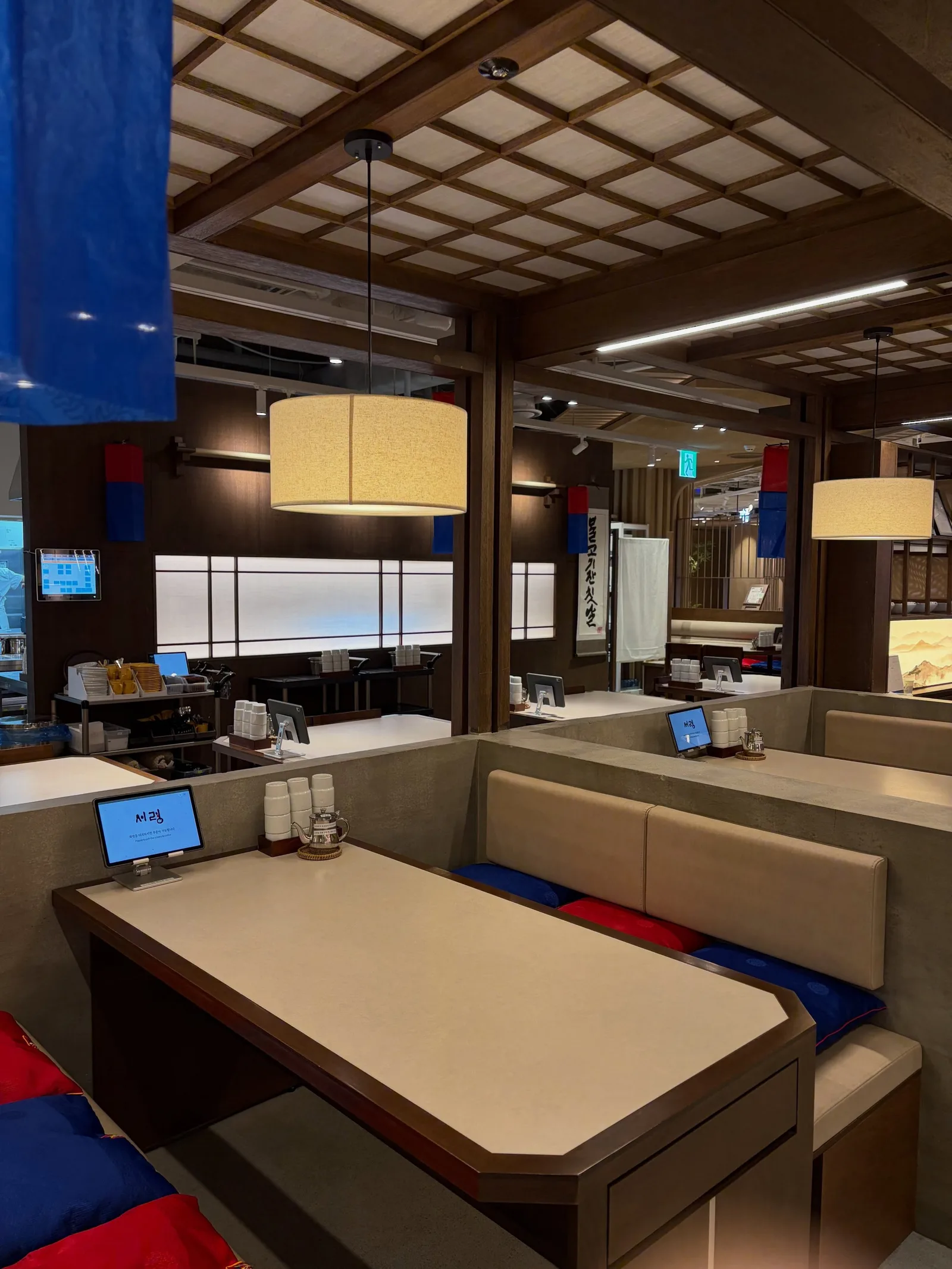
Start with the purist. Seoryung took the long road to Namdaemun: it began in Hongcheon, moved via Ganghwa and finally settled in Seoul, drawing noodle lovers at every stop. Every noodle here is made purely from buckwheat, sourced and prepared by Chef Jong-moon Jeong, which is where the fragrant buckwheat flavour comes from. It is the cleanest argument for buckwheat you will find on this crawl. The noodles come cold in broth, with a spicy bibim sauce, or dressed in perilla oil, and the room sits close to Seoul Station, which makes it an easy first stop. Round out the order with the mandu and the jeyuk, pork from the most tender part of the shoulder, or the boiled pork jowl if you are sharing.
Sobakeeri Suzu: soba, Korean grain
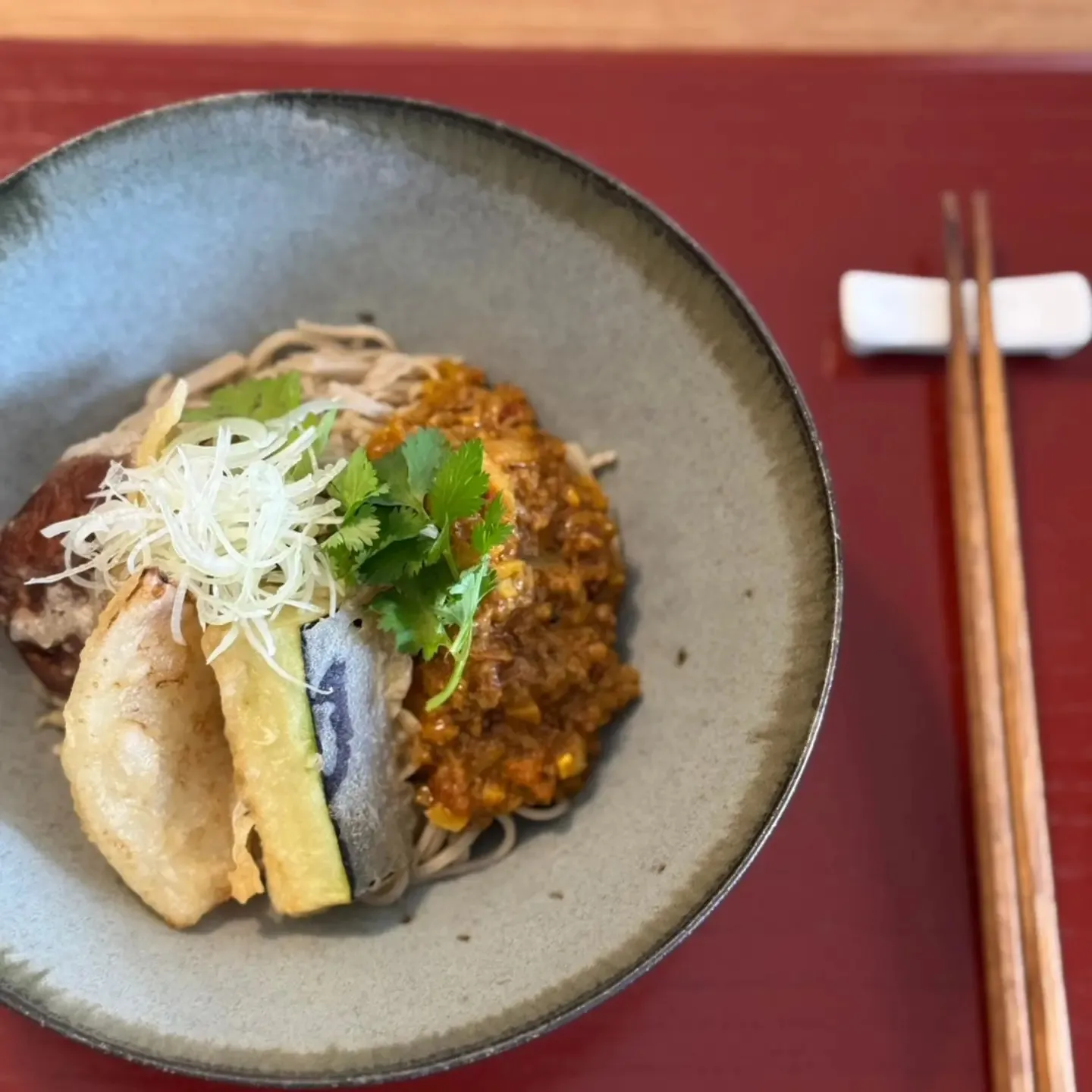
In Jung-gu's Sindang and Jangchung side, Sobakeeri Suzu asks what happens when Japanese soba meets Korean buckwheat. The owner-chef honed his skills in Japan, then came home to reinterpret the tradition with local grain. Instead of the usual buckwheat to flour ratios, he works with a sotoichi blend, which gives the noodles a gentle grain aroma and a pleasantly chewy texture. The buckwheat is stone milled and cut on site every day, in a calm, wood lined room. Order the classic zaru soba, served cold, with crisp tempura or one of the braised dishes, try the duck dipping soba when it is on, and add a glass of sake if the afternoon allows. Noodles can sell out, so book ahead where you can.
Gosari Express: the market wildcard
Now for something completely different. Under a red awning in Sindang-dong's Jungang Market, among long established neighbourhood eateries, Gosari Express runs on the motto "Vegetarian every day". It is the noodle shop of the vegetable food brand Bad Carrot, and every dish features the house gosari oil sauce, made from bracken fern, from spicy bibim noodles and perilla bibim noodles to Taiwanese style pancakes with a sweet and tangy gosari chilli sauce. A share of every bowl sold goes to forest conservation in Gangwon. It is playful, plant based and a useful reminder that Seoul's noodle culture is not only about broth. Come hungry; the market around it is worth a wander.
The detour: Dae Yeop for Pyongyang naengmyeon
No noodle crawl in Seoul is complete without Pyongyang naengmyeon, and one of the city's much talked about newer bowls is a short subway ride east in Seongsu. Dae Yeop draws long lines, and a wait can form minutes after the dinner break ends. Every morning the kitchen presses fresh buckwheat noodles and sets a hanwoo broth to simmer, made only from brisket, hanwoo and vegetables for five to six hours, where many houses also use pork and beef bones. The noodles are thick and coarse with a strong buckwheat aroma, and the bowl looks deliberately plain. Taste the broth first, then the noodles and garnishes together, and finish by spooning the side of rice into what is left. The pan fried mandu, a North Korean style dumpling with minced meat and garlic chives, is a strong side. Weekday lunches bring rotating specials too.
How to crawl it
Two bowls is a good lunch. Three is a statement. Pair something pure, like Seoryung's buckwheat in cold broth, with something that plays, like Suzu's soba or a gosari bowl at the market, so the day has contrast, and leave the mandu for whoever is sharing. When the noodle rooms wind down, Euljiro switches shifts: office workers take the plastic tables of Nogari Alley for beer and dried pollack, a habit that dates to 1980, and the bars climb the stairs of the old workshops. For the neighbourhood, see our Euljiro area page, and for the rest of the city, start with where to eat in Seoul.
Places in this guide
- Guide stop 1SeoryungSeoryung began in Hongcheon, moved to Ganghwa and now cooks by Namdaemun and Seoul Station.EuljiroKoreanNew to voting, be the firstSeoryung
- Guide stop 2Sobakeeri SuzuChef Kim Minjae trained at an Osaka soba house before opening this calm, wood lined room in Sindang.$$EuljiroJapaneseNew to voting, be the firstSobakeeri Suzu
- Guide stop 3Gosari ExpressGosari Express is the noodle shop from vegetable food brand Bad Carrot, tucked under a red awning in Sindang's Jungang Market.$EuljiroVegan/HealthyNew to voting, be the firstGosari Express
- Guide stop 4Dae YeopDae Yeop is a Pyongyang naengmyeon house in Seongsu, a quiet place to slow down from the neighbourhood's pace.$$SeongsuKoreanNew to voting, be the firstDae Yeop
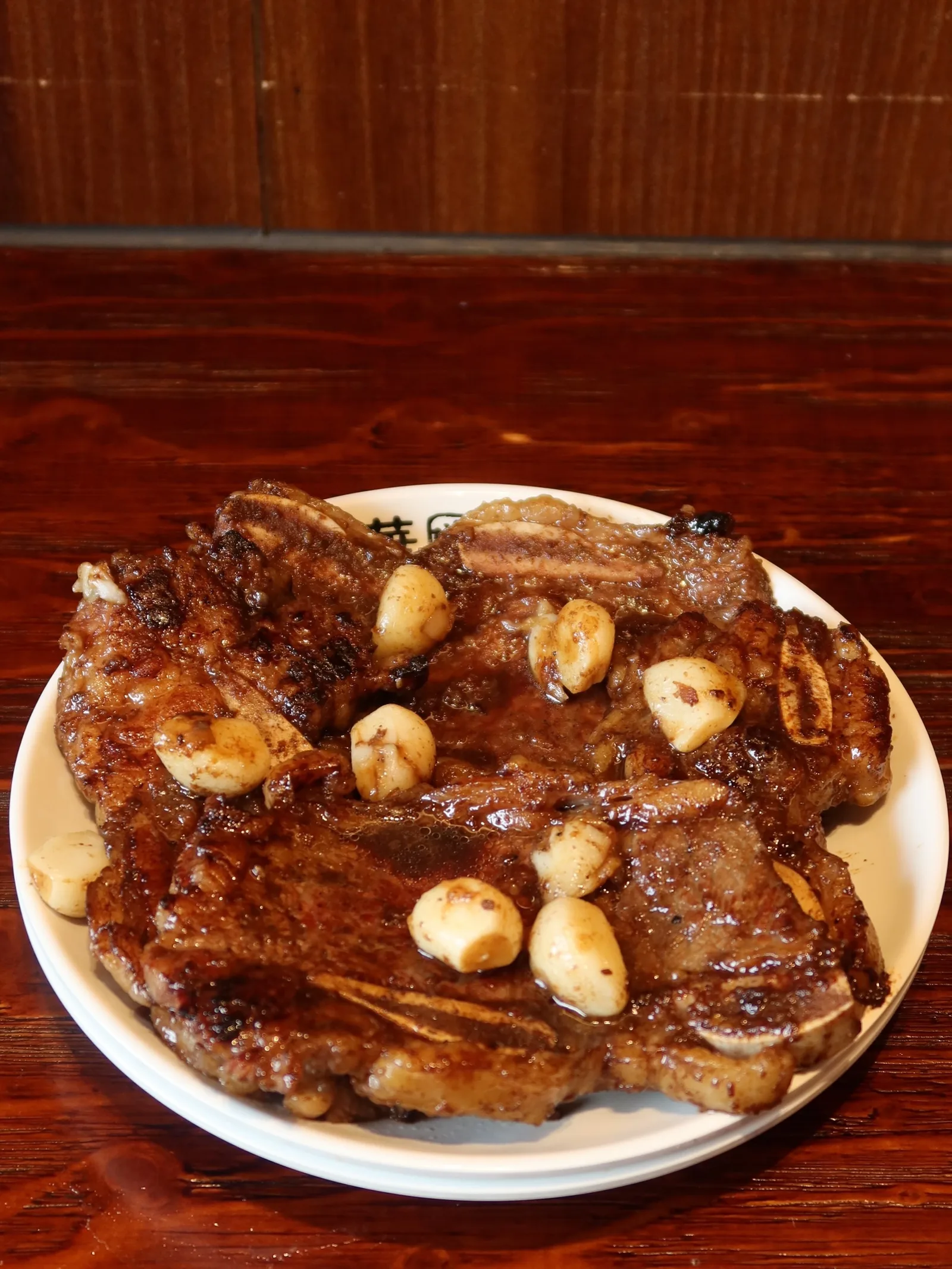
- Guide stop 5Geumdwaeji SikdangGeumdwaeji Sikdang near Yaksu Station is easy to spot by its gold lettering on white tiles.EuljiroKorean BBQNew to voting, be the firstGeumdwaeji Sikdang
Keep exploring Seoul
Questions
- What is Pyongyang naengmyeon?
- Buckwheat noodles in a cold, clear beef broth, named for Pyongyang. Dae Yeop, in Seongsu, makes its broth from brisket, hanwoo and vegetables only.
- Where can I eat buckwheat noodles in Euljiro and Jung-gu?
- Places to try include Seoryung in Namdaemun, where every noodle is pure buckwheat, and Sobakeeri Suzu, which makes soba from Korean buckwheat. See the Euljiro area page for more.
- Is there a vegetarian noodle shop in Jung-gu?
- Yes. Gosari Express, in Sindang-dong's Jungang Market, runs on the motto "Vegetarian every day" and builds every dish on its own gosari oil sauce.
Missed one?
Put it in the ring. If it's good, diners will rank it.
Vote on places in this guide